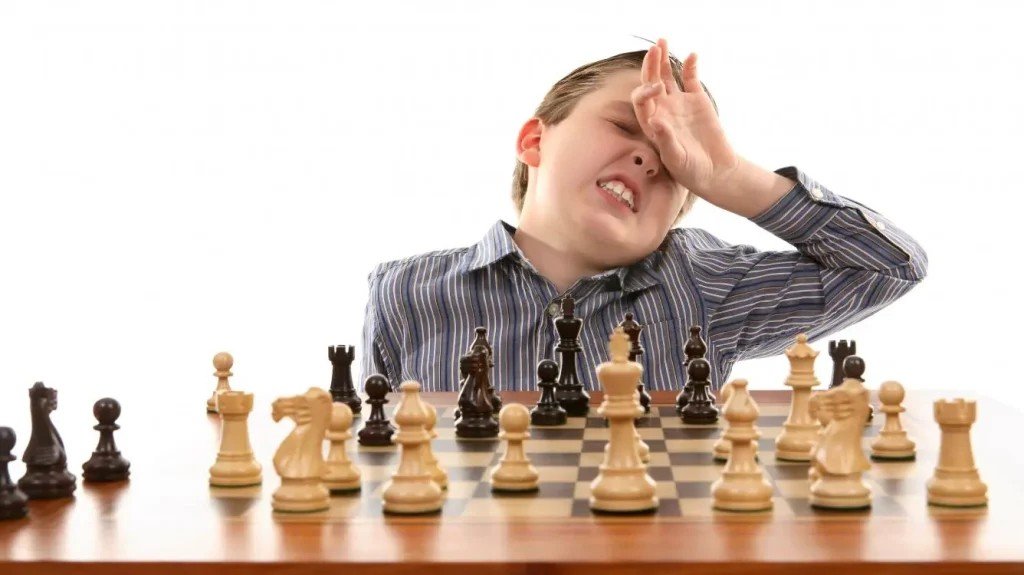
Many players believe that blunders are a beginner problem. When they see grandmasters or strong online players lose games to simple mistakes, it feels shocking. In reality, blunders are not a sign of weakness alone; they are a sign of human thinking under pressure. Chess is mentally demanding, and even the strongest players are not immune to psychological lapses.
A blunder is not always a lack of knowledge. More often, it is a breakdown in attention, evaluation, or decision-making. Strong players usually know the correct move, but at the critical moment, something interferes with their thinking. Understanding this difference is key to reducing mistakes.
One of the biggest causes of blunders is time pressure. As the clock ticks down, the brain shifts from deep calculation to fast, instinctive decisions. Even simple threats can be missed when mental resources are overloaded. Strong players often blunder not because the position is difficult, but because they are trying to manage too many things at once.
Players often blunder when they assume something is safe without checking it again. A move that was harmless five moves ago may suddenly become dangerous. Strong players rely heavily on pattern recognition, which usually helps—but sometimes it creates blind spots. When assumptions replace verification, simple tactics get missed.
Emotions play a major role in blunders. Frustration after a missed opportunity, fear of losing an advantage, or excitement about an attack can all distort judgment. Strong players are not emotionless machines. Emotional swings can narrow focus and cause players to overlook basic threats.
Ironically, blunders often happen in positions players feel comfortable with. When a position looks familiar or “easy,” players relax their calculation discipline. This false sense of security leads to careless moves. Strong players sometimes blunder precisely because they stop respecting the position.
Chess requires sustained concentration. After long games, tournaments, or multiple online sessions, mental fatigue sets in. Fatigue reduces calculation accuracy and increases impulsive decisions. Even strong players miss simple moves when their mental energy is depleted.
Calculation fails when players stop checking opponent responses. Many blunders come from calculating only one side of the position. A player sees their own idea clearly but neglects to ask, “What does my opponent threaten?” This one-sided thinking is a classic cause of blunders at every level.
Fear of complications can also cause blunders. Players sometimes choose “safe-looking” moves to avoid calculation, only to miss a simple tactical refutation. Avoiding complexity does not always mean avoiding danger. In fact, unclear positions demand more attention, not less.
Experience reduces blunders, but it never removes them entirely. Strong players make fewer mistakes, but when they do, the mistakes stand out more. Experience helps with recovery, but psychological pressure still exists. This is why blunders appear even in top-level games.
Strong players develop habits that reduce mistakes. They double-check critical moves, slow down in key moments, and stay alert to opponent threats. They also accept that blunders can happen and focus on damage control instead of panic.
Mental discipline is more important than raw calculation. Staying focused, emotionally balanced, and aware of fatigue plays a major role in consistent performance. Blunder reduction is as much a mental skill as it is a technical one.
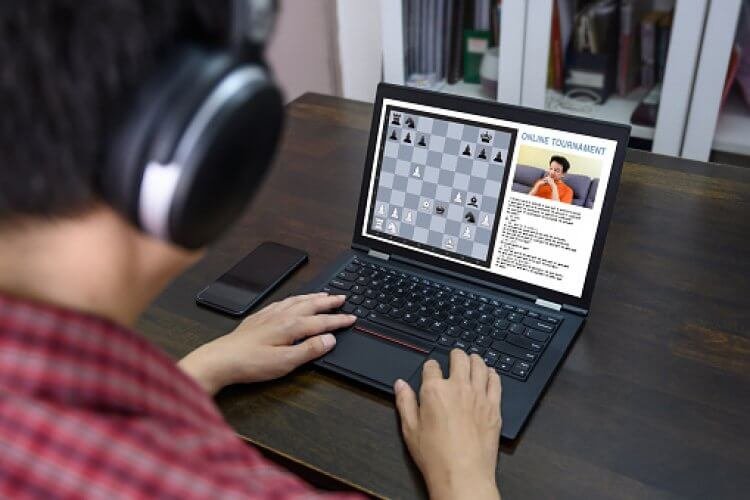
Online chess increases blunders due to faster time controls, distractions, and a casual mindset. Players take more risks and check less carefully. Strong players who rarely blunder in classical games may still make frequent mistakes online because the environment encourages speed over accuracy.
Reducing blunders starts with awareness. Slowing down in critical moments, checking opponent threats, and managing emotions all help. Training should focus not only on tactics but also on decision-making habits. Fewer blunders come from better thinking routines, not from knowing more theory.
Blunders are not just about missing moves; they are about how the human mind reacts under pressure. Even strong players blunder because chess is mentally demanding. The goal is not to eliminate mistakes completely but to reduce their frequency and recover better when they happen.
If you want structured guidance to improve decision-making, reduce blunders, and build stronger thinking habits across the board, you can book a free demo chess class and see how focused training improves both skill and confidence.
— Kunal Gupta
 Previous ArticleHow to Build a Daily Chess Routine That Actually Delivers Results Next ArticleWhat Bullet and Blitz Chess Really Do to Your Calculation Skills
chessbrainz
Feb 26,2026
 0
0
 10
10
chessbrainz
Feb 25,2026
0
8

chessbrainz
Feb 20,2026
0
97

chessbrainz
Feb 16,2026
0
145

.png)