The Candidates Tournament is not just another elite event. It is the ultimate psychological and strategic test in modern chess. Eight of the strongest players in the world enter with one goal: earn the right to challenge for the World Championship. Ratings matter. Preparation matters. But resilience, adaptability, and timing often matter more.
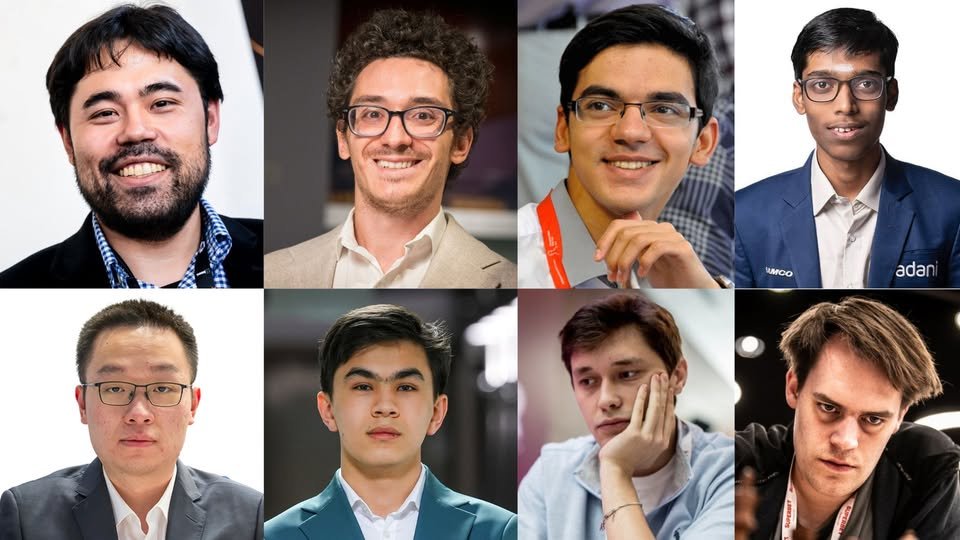
As the chess world looks toward the 2026 edition, three names generate the most debate: Hikaru Nakamura, Fabiano Caruana, and R Praggnanandhaa. Each represents a different style, generation, and psychological profile. The question is not simply who is strongest, but who is best built for the candidate's format.
Hikaru’s greatest strength is practical decision-making. Few players in the world handle complex, dynamic positions better. He thrives in chaos, calculates quickly, and maintains a fighting spirit in both better and worse positions.
In a long round-robin event like the Candidates, stamina and adaptability are critical. Hikaru’s experience across classical, rapid, and blitz formats gives him confidence under time pressure. He is also psychologically resilient. Losses rarely derail his momentum for long.
However, the candidates' rewards deep preparation as much as over-the-board skill. Hikaru’s approach often relies on intuition and practical chances rather than squeezing microscopic advantages for hours. Against ultra-solid opponents, that balance becomes delicate. The question is whether controlled aggression can outperform pure precision across fourteen grueling rounds.
Fabiano’s reputation in elite classical chess is built on preparation and structure. Few players match his ability to arrive at the board with deeply analyzed positions that pose real problems. In previous candidate cycles, his opening work has been a decisive weapon.
Caruana’s style is less volatile than Hikaru’s. He prefers long-term pressure, structural clarity, and technical conversion. In a tournament where one or two key wins can decide everything, this stability is a major advantage.
Psychologically, Fabiano has already proven he can win a Candidates event. That experience matters. He understands the rhythm of the tournament: when to push, when to neutralize, and when to conserve energy.
The potential vulnerability lies in unpredictability. If opponents manage to sidestep preparation and steer games into unbalanced territory, the dynamic edge may shift away from him. Still, from a classical chess standpoint, he often appears the most complete.
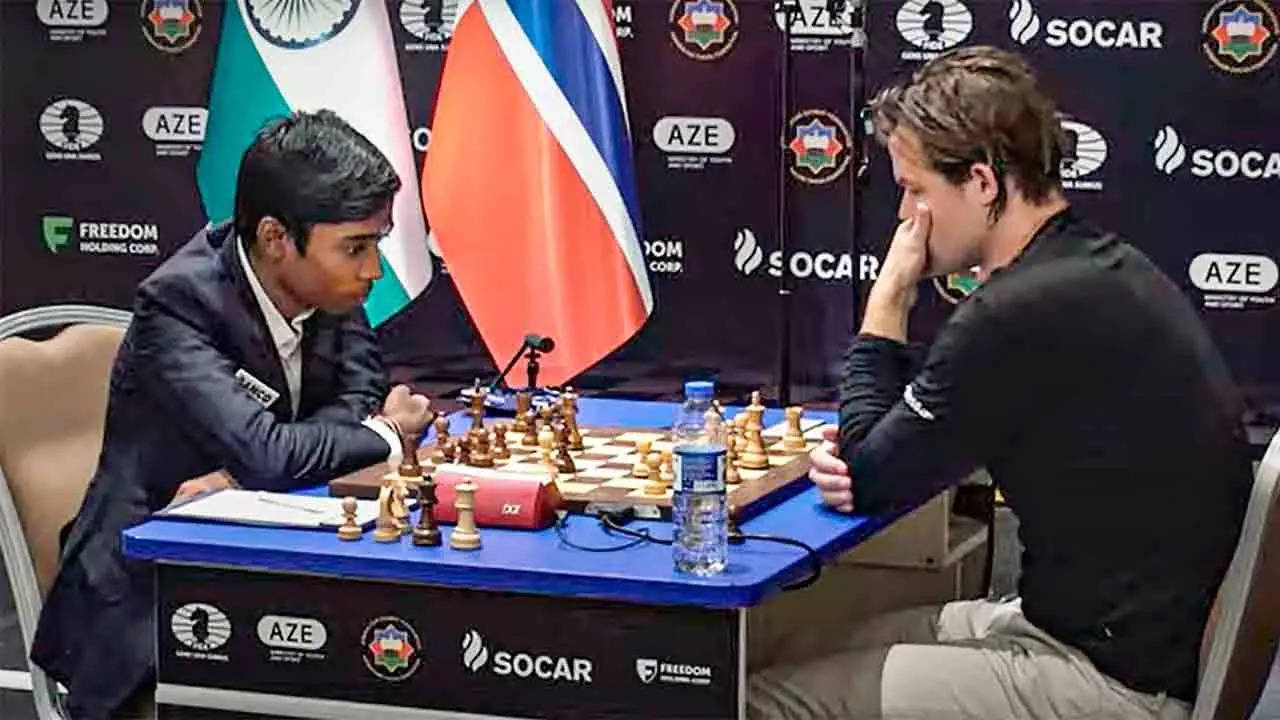
Praggnanandhaa represents the new generation. He combines deep calculation with fearless ambition. Unlike many young players, he is comfortable in both sharp tactical battles and long strategic games.
One of his greatest advantages is psychological freedom. Younger challengers often enter the Candidates without the burden of past disappointment. They play to win rather than to avoid losing. That mindset can be extremely dangerous for more established players.
Praggnanandhaa’s trajectory in elite events shows growing maturity. His endgame technique and positional understanding have strengthened significantly in recent years. The remaining question is consistency. The Candidates punishes small lapses severely. Sustaining peak performance for two weeks against the world’s best is a unique challenge.
If momentum aligns with preparation, he could be the most unpredictable contender in the field.
The Candidates is not simply about individual games. It is about momentum swings, recovery after losses, and choosing the right moments to take risks. Historically, the winner is rarely the flashiest player. It is the one who manages energy and capitalizes on critical opportunities.
Hikaru may generate more decisive games. Caruana may accumulate steady pressure. Praggnanandhaa may introduce volatility into the standings. Each style interacts differently with tournament dynamics.
Another hidden factor is preparation depth versus adaptability. If opening preparation dominates the event, Caruana may have the edge. If games frequently leave theory early, Nakamura’s practical instincts shine. If psychological momentum becomes decisive, Praggnanandhaa’s fearless approach could tilt the balance.
On paper, Fabiano Caruana appears the most structurally suited for a classical round-robin of this magnitude. His experience, preparation depth, and strategic discipline align naturally with the format.
Hikaru Nakamura remains the most dangerous in dynamic situations and could outperform expectations if the event becomes tactically sharp and psychologically intense.
R Praggnanandhaa carries the wildcard factor. If he strings together early results and builds confidence, the narrative of the tournament could shift quickly.
The candidates rarely follow predictions. It rewards clarity under pressure and punishes hesitation. Each of these three players has a legitimate path to victory. The real edge may not belong to the strongest on paper but to the one who handles the decisive moments with the greatest composure.
As 2026 approaches, one thing is certain: if these three enter the arena in peak form, the tournament could become one of the most compelling in modern chess history.
 Previous ArticleHow a Personal Chess Coach Changes the Way You Think at the Board Next ArticleWomen's Candidates Tournament 2026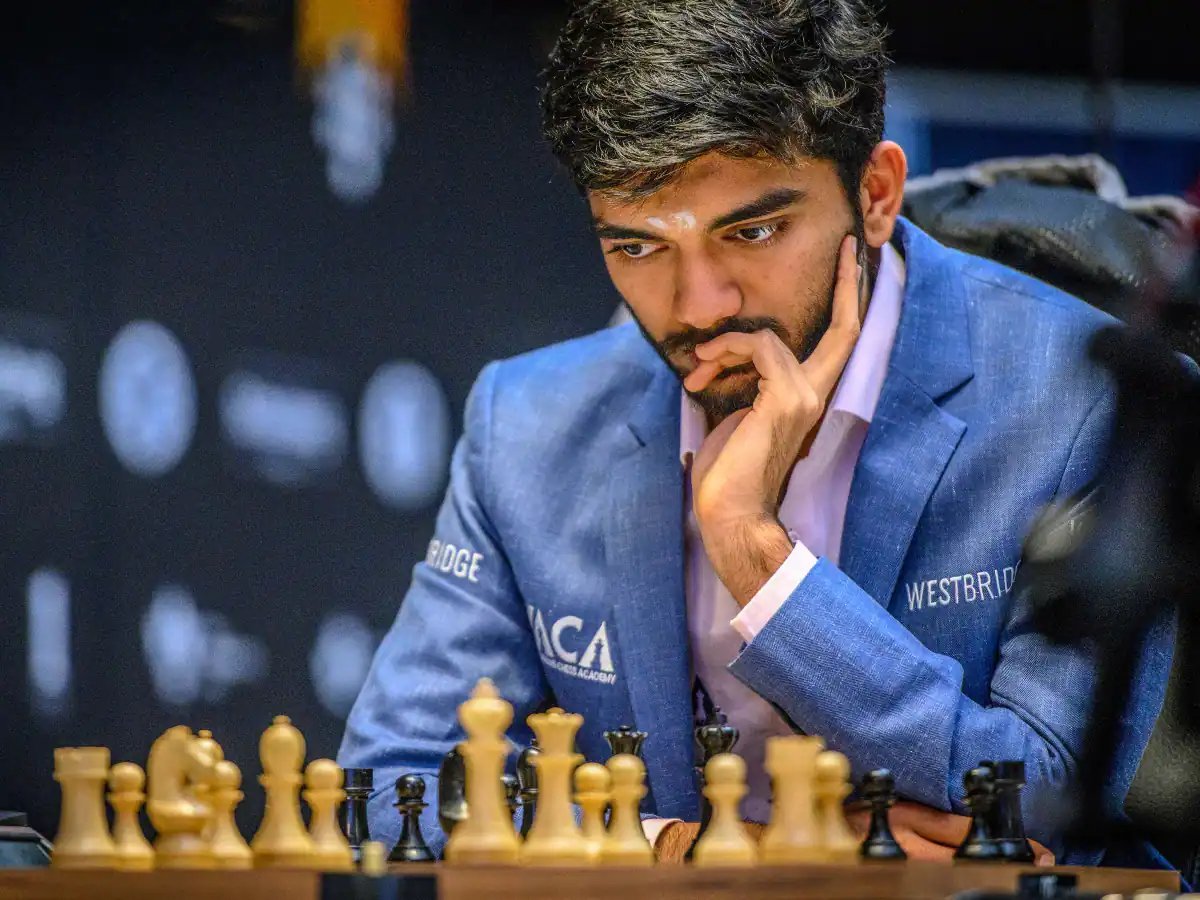
chessbrainz
Mar 09,2026
 0
0
 108
108
chessbrainz
Mar 09,2026
0
124
chessbrainz
Mar 09,2026
0
141

chessbrainz
Mar 06,2026
0
214
0108
0124
0141
0214
0108
0124
0141
0214
.png)