.png)
 0
0 111
111
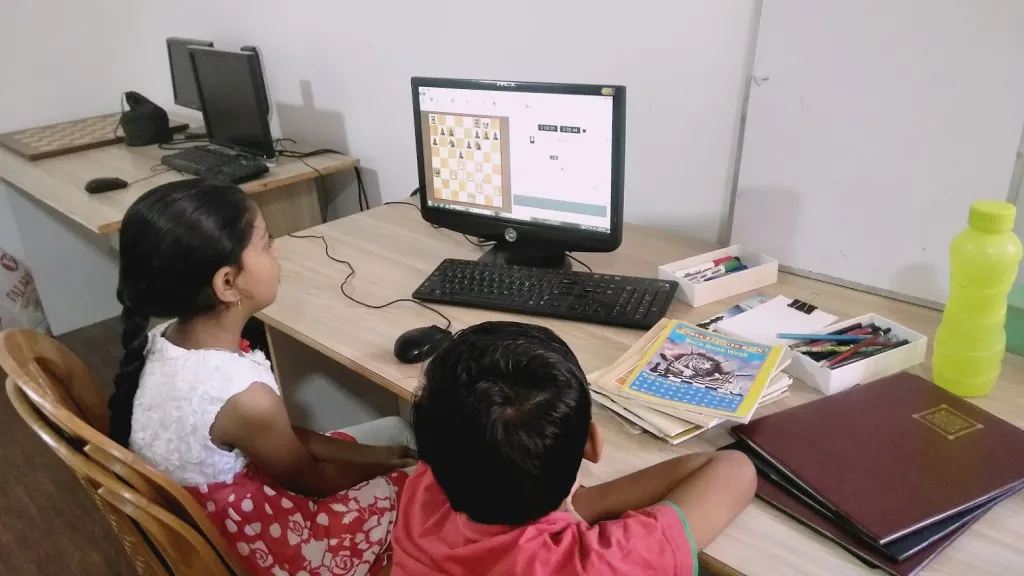
1. The Difference Between Learning Moves and Learning to Think
Most players try to improve by collecting information. They watch videos, solve puzzles, study openings, and play games. While this builds knowledge, it does not automatically change how they think during a real game. Over the board, emotions, time pressure, and uncertainty take over. This is where a personal chess coach makes the real difference.
A coach does not simply give you more material to study. Instead, they reshape your thinking process. They help you replace impulsive moves with structured calculation, vague plans with concrete ideas, and emotional reactions with calm evaluation. The transformation is subtle but powerful. It changes not what you know, but how you apply what you know.
2. Developing a Structured Thought Process
One of the biggest weaknesses club players face is inconsistent thinking. In one position they calculate deeply; in another they move instantly. There is no reliable system guiding their decisions. A personal coach introduces structure.
This structure often begins with disciplined questioning. What is the opponent threatening? What are the candidate moves? What are the consequences of each choice? These questions become habits over time. With guidance and repetition, the player begins to internalize this process. Instead of reacting emotionally to positions, they respond logically.
At the board, this shift creates stability. You no longer feel lost in complicated positions because you know how to approach them step by step.
3. Correcting Hidden Thinking Errors
Many chess mistakes are not caused by lack of knowledge but by flawed assumptions. A player might assume an attack must work because it “looks strong” or dismiss a defensive resource without proper calculation. These mental shortcuts often go unnoticed when studying alone.
A personal coach identifies these patterns. By reviewing your games carefully, they highlight recurring thinking errors. Perhaps you underestimate defensive moves, rush into winning positions, or avoid complications unnecessarily. Once these tendencies are exposed, you begin to recognize them during your games.
This awareness alone can dramatically reduce blunders and improve consistency. You start catching your own mistakes before they happen.
4. Improving Evaluation Skills
Evaluation is one of the most difficult skills in chess. Many players calculate variations accurately but misjudge the final position. They trade into inferior endgames, accept structural weaknesses without compensation, or attack when they should consolidate.
A coach trains you to evaluate positions more realistically. Instead of focusing only on material, you learn to assess piece activity, king safety, pawn structure, and long-term weaknesses. Over time, this deeper understanding influences every move you make.
At the board, you begin to sense which positions favor you and which do not. This clarity reduces hesitation and increases confidence, especially in complex middlegames.
5. Strengthening Calculation Discipline
Calculation is not about seeing more moves; it is about seeing clearly. Many players calculate selectively, stopping as soon as they find a move that seems promising. A coach pushes you to verify your ideas thoroughly.
During training sessions, you are often asked to explain your thought process out loud. This exposes gaps in logic and shallow analysis. With consistent feedback, you learn to calculate systematically and avoid optimistic shortcuts.
In practical games, this discipline becomes automatic. You no longer rely on hope or intuition alone. You calculate, confirm, and then commit. This habit dramatically reduces tactical oversights.
6. Transforming Your Psychological Approach
Chess is deeply psychological. Fear of losing, overconfidence in winning positions, and frustration after mistakes all influence decisions. Many players struggle not because they lack skill, but because they lack emotional control.
A personal coach helps you understand these patterns. By reviewing critical moments in your games, they show how emotions affected your choices. Over time, you learn to separate feelings from evaluation.
This psychological training changes how you experience pressure. You become more patient in equal positions, more disciplined when ahead, and more resilient when worse. The board feels less chaotic and more manageable.
7. Building Long-Term Strategic Vision
Improvement without direction often leads to stagnation. Players jump from one opening to another or change study plans constantly. A coach provides long-term structure.
They help you choose openings that suit your style, identify weaknesses that need attention, and design a training plan that builds logically over time. This clarity prevents wasted effort and accelerates growth.
More importantly, it teaches you to think long-term within games as well. You start considering how early decisions affect later phases. You understand transitions from opening to middlegame and middlegame to endgame more clearly.
8. Increasing Accountability and Focus
Self-study requires strong discipline, and many players struggle with consistency. A coach introduces accountability. Knowing that your games will be reviewed encourages deeper focus during play.
This accountability also sharpens attention during analysis. Instead of casually glancing at engine evaluations, you analyze seriously because you know your thinking will be examined. Over time, this builds stronger habits even when studying alone.
The result is more efficient training and more purposeful play at the board.
9. Accelerating Improvement Through Personalized Feedback
General advice can only go so far. Every player has unique strengths and weaknesses. A coach tailors feedback specifically to you.
Some players need more work on calculation, others on positional understanding or endgames. Personalized guidance prevents you from spending excessive time on areas that are already stable while neglecting critical weaknesses.
This targeted improvement often leads to noticeable rating gains, but more importantly, it leads to greater clarity and confidence during games.
10. Changing Your Relationship With Mistakes
Perhaps the most profound change a coach brings is how you interpret mistakes. Many players view errors as failures. This mindset creates fear and hesitation.
A coach reframes mistakes as information. Each error reveals something about your thinking process. By analyzing mistakes constructively, you remove emotional weight and focus on correction.
This shift reduces anxiety at the board. You play more freely because you understand that improvement comes from analysis, not perfection.
11. The Real Transformation at the Board
The true impact of a personal chess coach is not visible in a single brilliant move. It is visible in consistency. You blunder less often. You manage time better. You choose plans with clearer reasoning. You handle pressure more calmly.
Your thinking becomes structured, disciplined, and resilient. Instead of reacting to positions, you engage with them deliberately. Over time, this transformation reshapes your entire chess identity.
Working with a personal coach does not replace effort. It refines it. And when your thinking process improves, every phase of the game improves with it. That internal change is what ultimately defines lasting chess progress.