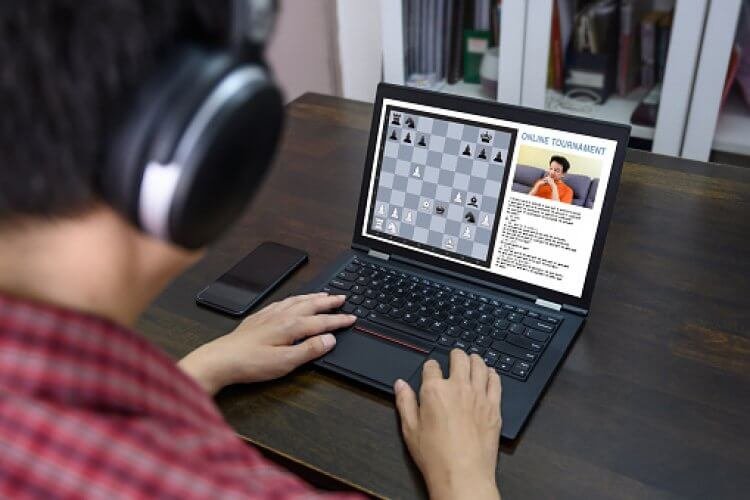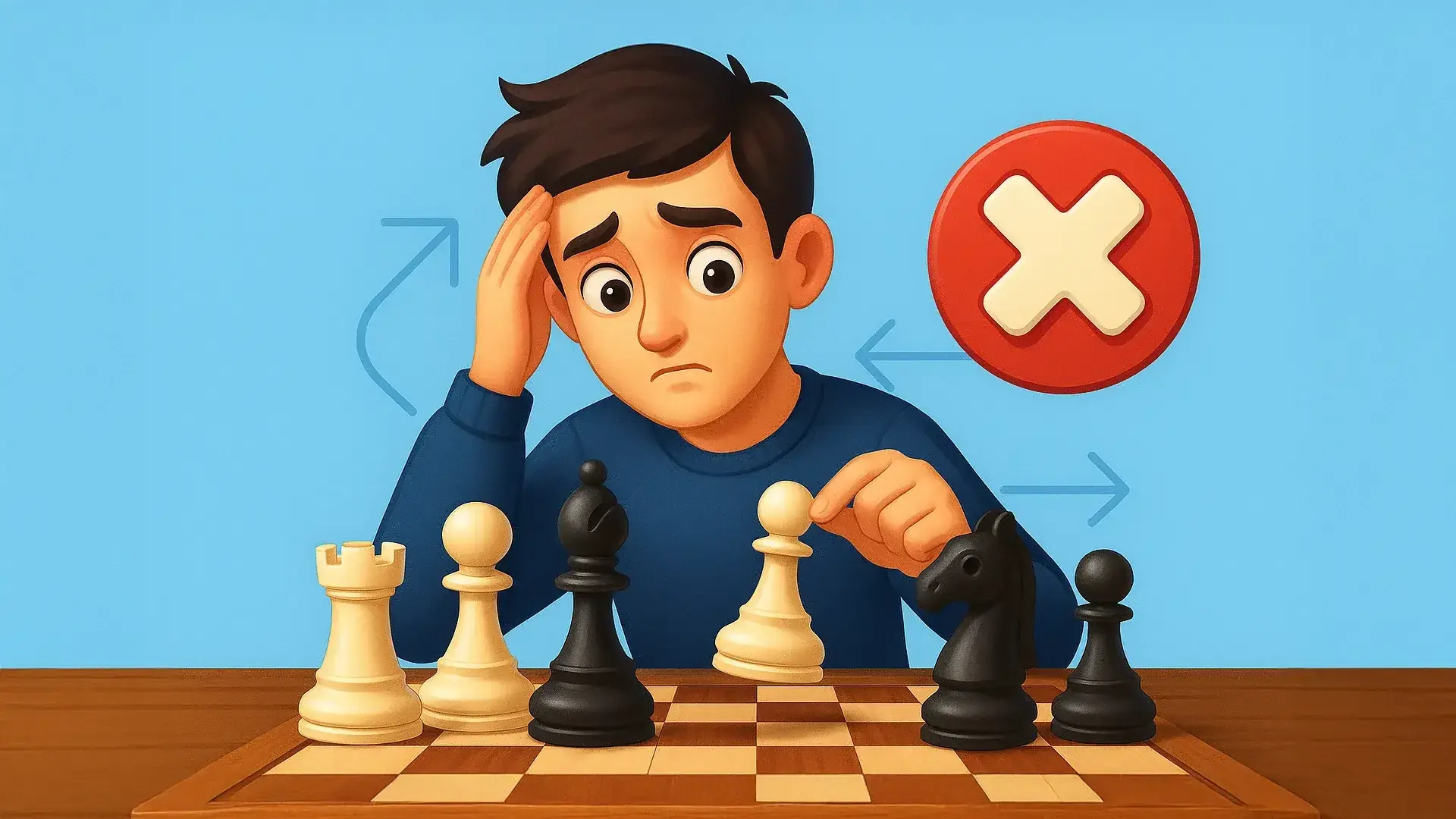
One of the great ironies of chess is that having a winning position does not make the game easier. For club players, it often makes it harder. When the position is clearly better, expectations rise, tension increases, and decision-making becomes distorted. Instead of playing naturally, players begin to “protect” the win, which frequently leads to passive or inaccurate play.
Strong players understand that a winning position still requires precision. The advantage does not convert itself. It must be handled carefully, with clear thinking and patience. Club players, on the other hand, often underestimate how easy it is to let a winning position slip through small but cumulative mistakes.
One of the most common errors in winning positions is a sudden drop in calculation discipline. After gaining material or achieving a strong attack, many players assume the rest is straightforward. Moves are played quickly, without checking tactics or opponent resources.
This is dangerous because winning positions often contain hidden counterplay. The opponent may have threats, sacrifices, or perpetual check ideas that only work if you relax. Strong players slow down when the position demands accuracy. Club players speed up, assuming the game is already decided, and that assumption is frequently punished.
Another frequent mistake is misunderstanding simplification. Many club players know that trading pieces when ahead is generally good, but they apply this rule mechanically. They exchange pieces without evaluating whether the resulting position is actually easier to win.
Simplification only works if it improves your position. Trading active pieces for passive ones, or entering an endgame without understanding it, can neutralize your advantage. Strong players simplify with a clear goal, such as entering a favorable endgame or reducing counterplay. Club players simplify to “get closer to the end,” often without a plan.
When ahead, many players focus exclusively on their own plans and stop asking what the opponent wants. This is one of the fastest ways to throw away a winning position. The opponent’s threats do not disappear just because you are better.
Counterplay is often the losing side’s only hope, and it must be treated seriously. Strong players constantly ask what the opponent is threatening, even in winning positions. Club players assume that any threat can be dealt with later. In practice, later often never comes.
Winning positions do not require brilliance. They require control. A common mistake is trying to finish the game with a flashy tactic or forced attack when a simple continuation would suffice. This urge often comes from impatience or a desire to “end it now.”
Strong players are comfortable choosing quiet, improving moves that maintain the advantage. Club players feel pressure to convert immediately and end up creating unnecessary complications. In many cases, the opponent survives the attack, and the position equalizes or even turns around.
Time trouble is not only a problem in equal or worse positions. Many club players mismanage their time once they are winning. Some rush to avoid giving the opponent chances, while others overthink simple decisions out of fear of making a mistake.
Strong players manage time according to the position’s demands. They spend time when precision is required and save time when the position is clear. Club players often do the opposite, which leads to blunders in critical moments, especially near the end of the game.
After gaining material or a positional edge, players often relax their attention to king safety. This is especially common when queens are still on the board. A single inaccurate move can allow checks, sacrifices, or perpetual attacks that erase the advantage entirely.
Winning does not mean safe. Strong players keep their king secure until the very end. Club players sometimes assume the opponent cannot attack effectively anymore, only to discover too late that activity and initiative can compensate for material deficits.
A winning position still requires a plan. Many club players know they are better but do not know how to proceed. They shuffle pieces, make random improvements, or wait for the opponent to blunder again.
Strong players think in terms of conversion. They identify the opponent’s weaknesses, decide which pieces to improve, and choose a clear method to increase the advantage. Without a plan, even a strong position can stagnate, giving the opponent time to regroup and create chances.
Perhaps the most damaging mistake is psychological. Club players often believe that a winning position should convert smoothly. When they make one mistake and the position becomes less clear, they panic. This leads to further errors and sometimes complete collapse.
Strong players accept that mistakes happen, even in winning positions. They reset, reassess the position, and continue fighting. Emotional control is a major reason why stronger players convert advantages more reliably. The game is not lost just because the win is no longer immediate.
These errors are not due to lack of knowledge alone. They are the result of pressure, impatience, and unrealistic expectations. Club players often focus on how a position “should” be won instead of how it actually needs to be played.
Improving conversation skills requires experience, honest self-analysis, and psychological maturity. Studying your own failed winning positions is one of the most effective ways to grow as a player. Over time, you learn that winning is a skill in itself, separate from gaining an advantage.
A winning position is not a reward; it is a responsibility. It demands discipline, respect for the opponent, and clarity of thought. Strong players do not relax when they are winning. They become more careful.
For club players, learning to convert winning positions is one of the biggest steps toward consistent improvement. By understanding these common mistakes and addressing them deliberately, you transform advantages into points and frustration into confidence. That transition is what separates occasional winners from reliable ones.
 Previous ArticleWhy Pattern Recognition in Chess Matters More Than Memorising Openings Next ArticleHow Strong Chess Players Convert Equal Endgames: The Hidden Techniques
chessbrainz
Mar 09,2026
 0
0
 64
64

chessbrainz
Mar 09,2026
0
71
chessbrainz
Mar 09,2026
0
79

chessbrainz
Mar 06,2026
0
134
064
071
079
0134
064
079
0134 00
00
.png)