Improving your chess rating can often feel slow, frustrating, and unpredictable. You practise regularly, watch a few videos, and play daily games, yet the Elo number barely moves. If you are aiming to gain 200 Elo in one focused month, then stop guessing and start following proven chess methods with intention.
The key is not playing more games randomly, but playing smarter, studying the right positions, and building a disciplined chess practice routine that fits your current level. In this guide, we speak directly to you.
Whether you are a beginner trying to break past early plateaus, an intermediate player stuck in the middle, or an advanced player fighting consistency issues, let us walk you through what truly works.
Before you talk about gaining rating points, you must ask yourself a simple but powerful question: Do you actually know your current level? Many players misjudge their strengths and weaknesses, which leads to ineffective study and wasted time. Knowing your baseline is the foundation of every successful improvement journey.
Start by knowing your online rating and analysing your last twenty to thirty serious games. Look for patterns rather than individual mistakes. Are you losing in the opening, the middlegame, or the endgame? Do time troubles cost you points? Are tactical oversights recurring? When you identify these trends, your weekly chess routine becomes targeted instead of random.
At Chessbrainz, we always encourage you to stop chasing quick tricks and first understand your chess identity. Once you know where you stand, every chess method you apply becomes sharper, more relevant, and far more effective in delivering that 200 Elo jump.
If you are a beginner, your improvement window is wide open. Small corrections bring massive results when applied consistently.
As a beginner, structure matters more than volume. You do not need six hours a day; you need clarity.
Practise daily tactics for twenty to 30 minutes.
Play fewer games, but analyse each one carefully.
Review basic checkmates and endgame principles weekly.
This routine helps you avoid chaotic learning and builds a stable foundation quickly.
Most beginner games are decided by blunders, not brilliant moves. If you reduce mistakes, your rating rises naturally.
Always ask what your opponent is threatening before you move.
Use a basic safety checklist for king and pieces.
Avoid unnecessary sacrifices without calculation.
This chess method alone can add dozens of Elo points within weeks.
You do not need deep theory; you just need playable positions.
Choose one opening as White and one defence as Black.
Learn ideas, not memorised lines.
Reach the middlegame comfortably and confidently.
Simple openings reduce confusion and improve consistency.
At the intermediate level, your progress slows because opponents punish mistakes more accurately. This is where refined chess methods make the difference.
Playing without analysing is like running without direction. Analysis turns experience into improvement.
Review your games without an engine first.
Identify decision-making errors, not just missed tactics.
Note recurring positional weaknesses.
This habit sharpens your thinking and decision-making rapidly.
Many intermediate players know openings and tactics but struggle with plans.
Learn to evaluate pawn structures.
Identify strong and weak squares.
Create plans based on piece activity, not hope.
Better plans lead to better positions and more wins.
Time trouble silently kills many good games.
Practise Blitz and Rapid games daily.
Avoid overthinking familiar positions.
Allocate time consciously during games.
Improving clock discipline is an underrated chess method that pays immediate dividends.
At advanced levels, improvement becomes subtle, but still achievable with focused effort.
Strong players win by calculating better, not just knowing more.
Solve complex tactical positions daily.
Visualise variations without moving pieces.
Review grandmaster games without an engine.
This sharpens accuracy under pressure.
Many advanced games reach equal endgames. This is where points are earned.
Study endgames of players like Carlsen or Capablanca.
Practise converting small advantages.
Learn defensive techniques to save lost positions.
Endgame confidence converts half-points into full points.
Mental discipline is a hidden weapon.
Avoid tilt after losses.
Stick to your chess practice routine.
Play each move with your complete focus.
Consistency of mindset leads to consistency of results.
You can improve alone, but improvement accelerates when guided correctly. When you work with us at Chessbrainz, you stop guessing and start progressing with purpose. We design your chess practice routine based on your level, goals, and available time, ensuring every session moves you closer to that 200 Elo target.
We do not believe in generic advice. We analyse your games, identify your personal improvement gaps, and apply chess methods that fit your playing style. You receive structured training, clear feedback, and measurable milestones, not vague encouragement.
Most importantly, we stay accountable to you because your growth matters to us. With professional guidance, disciplined routines, and proven systems, your one-month improvement goal becomes realistic, not hopeful.
Yes, especially if you follow a structured chess practice routine and focus on correcting recurring mistakes rather than learning random content.
You should aim for one to three focused hours daily. Quality and consistency matter more than total time.
The principles are the same, but time management and psychological preparation differ slightly. We tailor methods based on your playing format.
A coach is not mandatory, but professional guidance significantly speeds up improvement by eliminating trial and error.
We focus on personalised analysis, structured routines, and practical chess methods that deliver measurable Elo growth, not just theory.
chessbrainz
Mar 06,2026
 0
0
 9
9

chessbrainz
Mar 06,2026
0
0
chessbrainz
Mar 06,2026
0
8
chessbrainz
Mar 06,2026
0
20
09
00
08
020
00
08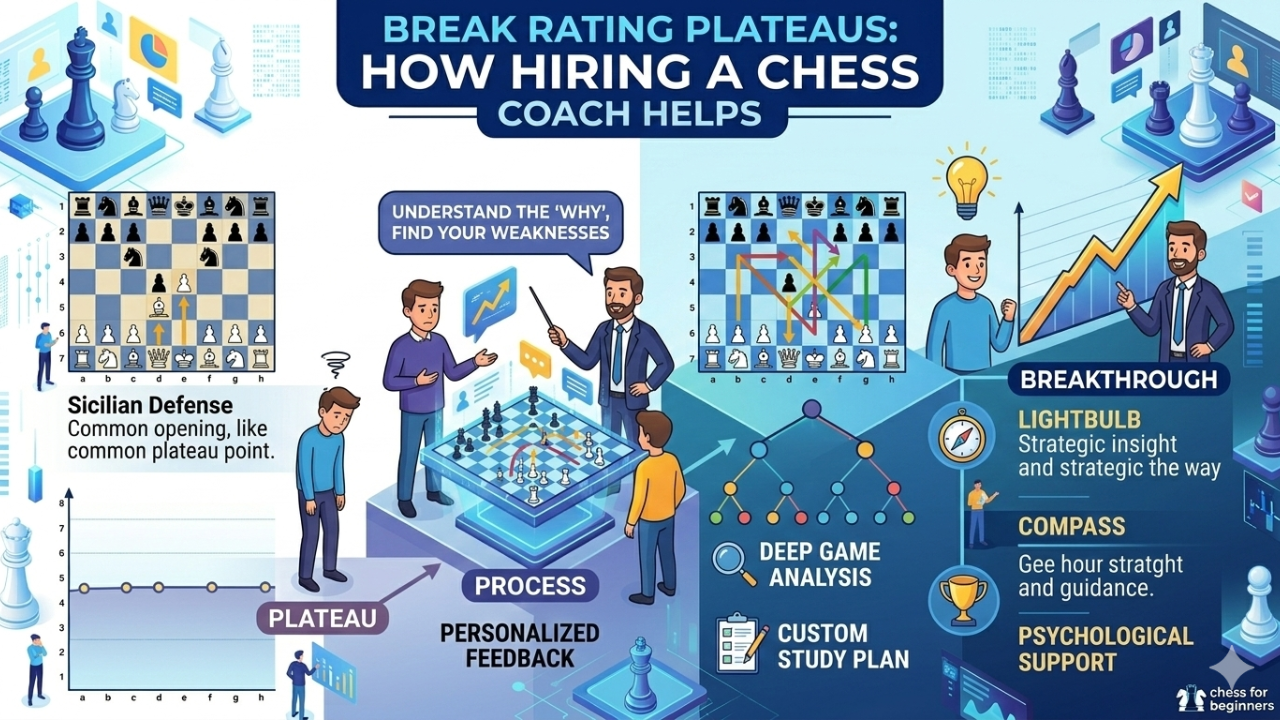 07
07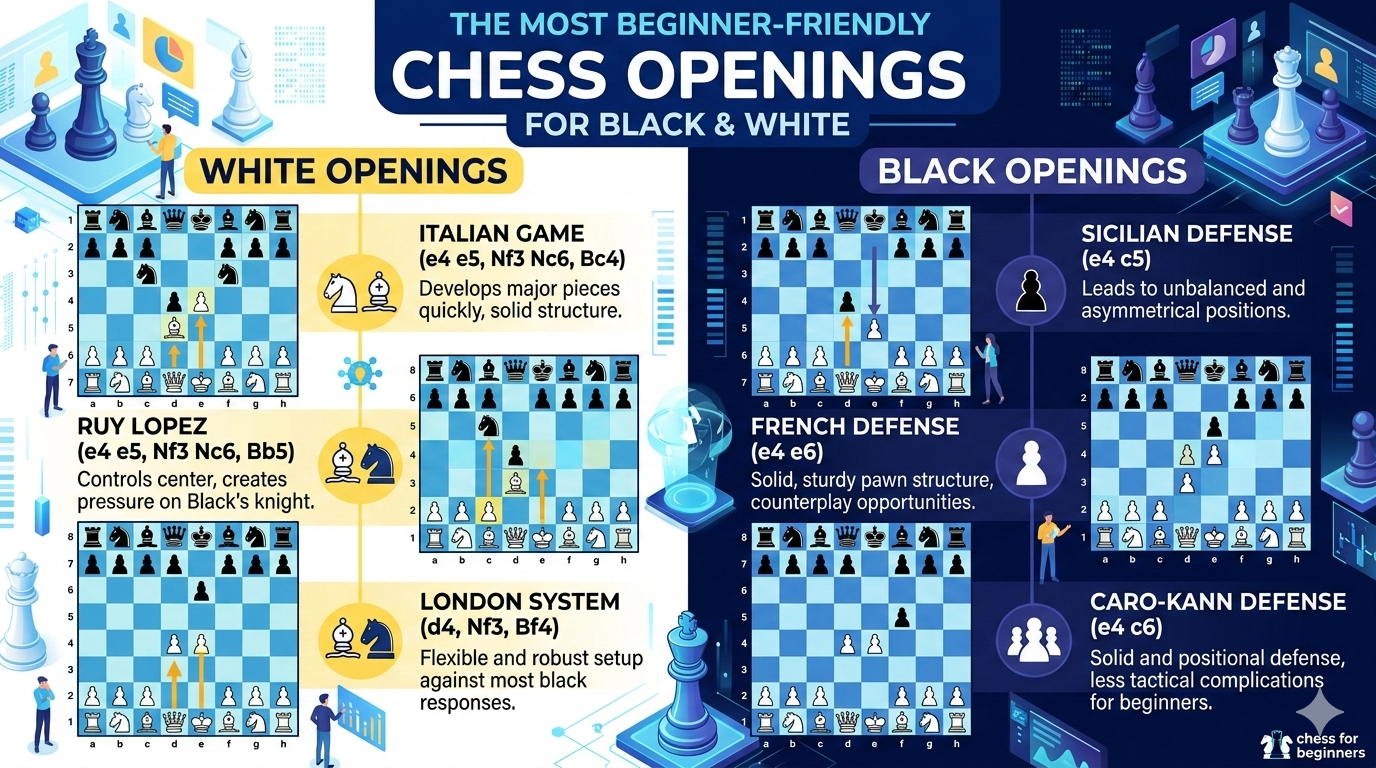 0102
0102
.png)