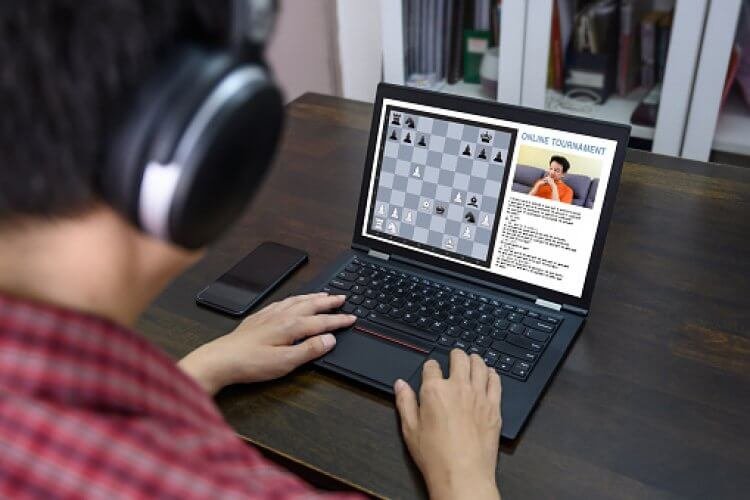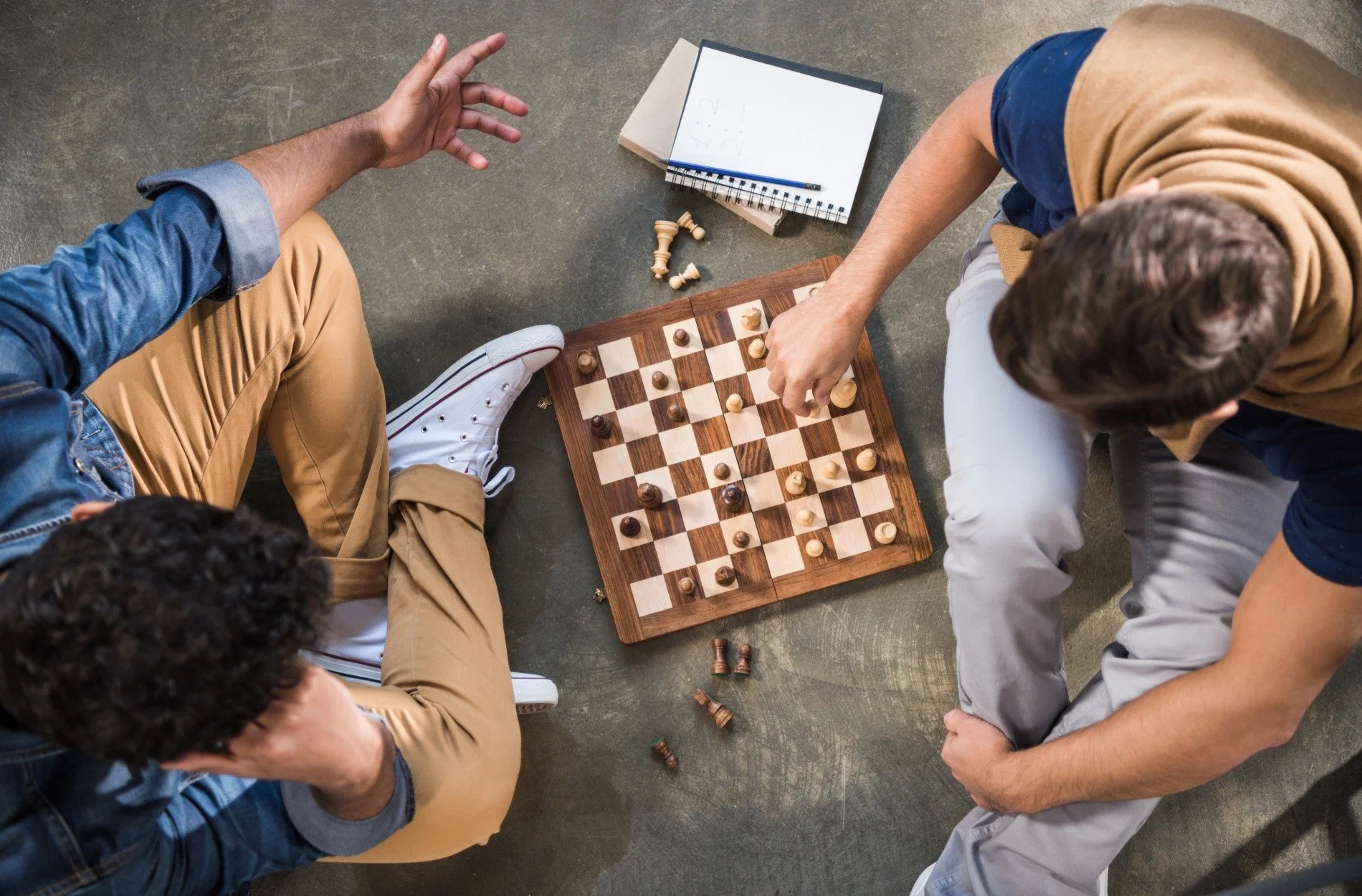
One of the most widespread mistakes in chess improvement is the belief that knowing more opening moves equals playing better chess. Beginners often spend hours memorizing opening lines, only to collapse once the opponent deviates on move five. This happens because chess skill is not built on memory alone. It is built on recognition, judgment, and decision-making. Strong players do not succeed because they remember more moves; they succeed because they recognize familiar situations and respond correctly.
Pattern recognition is the ability to instantly understand what is happening on the board. It allows a player to sense danger, spot opportunities, and choose plans without calculating everything from scratch. Memorization gives you information, but pattern recognition gives you understanding. In practical chess, understanding always wins.
Pattern recognition is often misunderstood as simply spotting tactics like forks or pins. In reality, it goes much deeper. It includes recognizing weak squares, typical pawn structures, common attacking setups, defensive resources, and recurring endgame ideas. When a strong player looks at a position, they are not seeing 32 pieces; they are seeing familiar shapes and relationships.
For example, a weakened king position, a backward pawn, or an overloaded defender immediately triggers known ideas in a strong player’s mind. This is why experienced players play faster and more confidently. They are not calculating more than beginners; they are recognizing more.
Even openings themselves are based on patterns, not memorized moves. When a strong player plays an opening, they are not recalling a fixed sequence. They are developing pieces according to known principles and responding logically to the opponent’s setup. If the position changes, they adapt.
Beginners who memorize openings without understanding patterns are fragile. The moment something unexpected happens, they are lost. In contrast, a player trained in pattern recognition can handle unfamiliar positions calmly because they understand typical plans, piece coordination, and structural ideas. This flexibility is far more valuable than knowing theoretical lines.
Chess games are decided by hundreds of small decisions. Pattern recognition reduces the mental load of these decisions. Instead of calculating every possibility, your brain narrows the options based on experience. This makes your thinking more efficient and more accurate.
For beginners, this is crucial. Without patterns, every move feels equally difficult. With patterns, you start to recognize when to attack, when to defend, and when to simplify. Over time, your decisions become faster and more confident, even in unfamiliar positions.
Tactics are the most visible form of pattern recognition. Forks, pins, skewers, and discovered attacks are all recurring motifs. Strong players do not “find” tactics by accident; they expect them because the position resembles something they have seen before.
This is why solving tactical puzzles thoughtfully is so effective. You are not just learning solutions; you are training your brain to recognize setups. Memorizing opening lines does not train this skill at all. In fact, it can give a false sense of improvement while leaving your core calculation ability unchanged.
The middlegame is where memorization completely breaks down. There are too many possibilities, and no database can help you across the board. Pattern recognition allows you to identify plans, such as attacking on the kingside, improving a bad piece, or targeting a weak pawn.
In endgames, pattern recognition becomes even more important. Concepts like opposition, active king, and pawn majorities are patterns that guide decisions. A player who recognizes these ideas will outperform someone who knows more opening theory but lacks endgame understanding. This is one reason many games at the amateur level are decided long after the opening is over.
There is also a psychological advantage to relying on patterns rather than memory. Memorization creates anxiety. You constantly worry about forgetting a move or being surprised. Pattern recognition creates calm. You trust your understanding and react naturally to the position.
Strong players are comfortable in unclear situations because they recognize familiar elements even in chaos. Beginners who focus on patterns develop resilience. They stop fearing deviations and start welcoming them as chances to outplay the opponent.
Improving pattern recognition requires active engagement. Slow, thoughtful games are essential because they expose you to real positions that demand understanding. Post-game analysis helps you connect mistakes to missed patterns. Tactical training builds recognition of recurring motifs. Studying classic games helps you see how plans repeat across different positions.
What matters is not the volume of material, but the depth of attention. Each position you truly understand becomes part of your mental library. Over time, this library grows, and your chess becomes more intuitive.
In online chess, opponents frequently play unusual or suboptimal openings. Memorized theory loses value quickly. Pattern recognition thrives in these conditions. Players who understand ideas rather than moves adapt better and score more consistently.
This is why many players feel stuck despite studying openings extensively. Their games are not lost in the opening; they are lost in the middlegame due to poor recognition and planning. Shifting focus to patterns addresses the real problem.
Chess improvement is not about accumulating facts. It is about refining perception. Pattern recognition is the skill that connects all phases of the game and all levels of play. Openings change, theory evolves, and fashions come and go, but patterns remain.
By prioritizing pattern recognition over memorizing openings, you build a foundation that lasts. Your chess becomes flexible, resilient, and creative. Most importantly, you begin to understand the game instead of just remembering it. That understanding is what truly separates strong players from the rest.
 Previous ArticleHow to Train Like a 2000+ Rated Chess Player Even if You Are a Beginner Next ArticleThe Most Common Chess Mistakes Club Players Make in Winning Positions
chessbrainz
Mar 09,2026
 0
0
 63
63

chessbrainz
Mar 09,2026
0
70
chessbrainz
Mar 09,2026
0
79

chessbrainz
Mar 06,2026
0
134
063
070
079
0134
063
079
0134 00
00
.png)