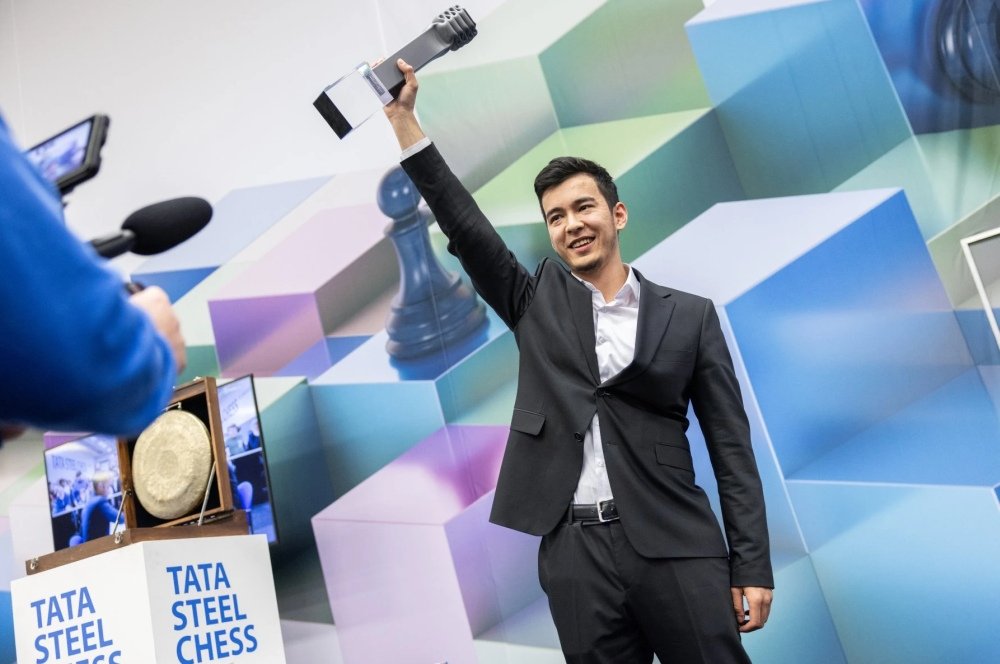
The Tata Steel Chess Tournament continues to be a traditional proving ground for elite Grandmasters. This year, the focus shifted slightly from the familiar top contenders to the incredibly composed performance of Nodirbek Abdusattorov. The question wasn’t whether Nodirbek Abdusattorov was talented. Everyone already knew that. His performance at the Tata Steel Chess 2026 showed how small advantages can be consistently compounded into decisive wins.
He selected openings that gave him playable middlegames. Every move contributed to a larger strategic whole. This blog dives into how elite discipline translates into practical success and what ambitious players can take from it.
Abdusattorov’s performance in the Tata Steel Chess 2026 was quite simple and straightforward. Rather than engaging in a complex or overly sharp game, he prioritized establishing a solid pawn structure and optimizing his piece placement. His patience and careful positioning created a high floor for his tournament results, minimizing risk while maximizing his chances of winning.
This compounding approach became a source of significant pressure over nine or more intense rounds. While the advantages were subtle individually, their cumulative effect was large as opponents were increasingly compelled to defend rather than initiate attacks. This fundamental shift in the dynamic proved decisive.
He didn’t settle early unless the position demanded it. Instead, he pressed carefully, asking practical questions without overextending. It’s a difficult balance. Time management played a quiet but decisive role. While other grandmasters wasted minutes calculating sharp continuations, he frequently reached the middlegame with a clear understanding of typical plans. Preparation showed itself not through memorized novelty but through familiarity. He knew where his pieces belonged. That clarity preserved clock time for critical moments.
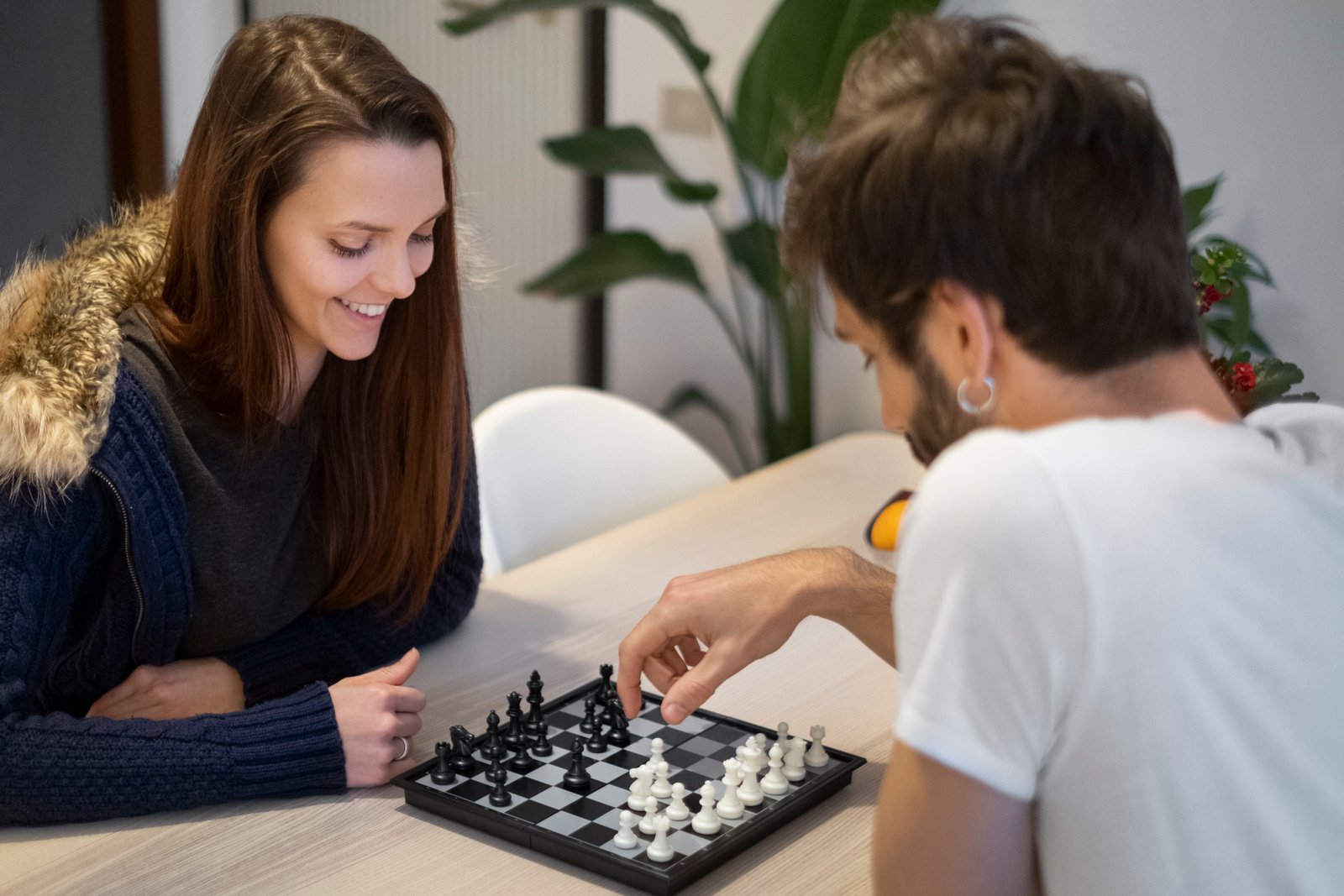
Imagine sitting across from a higher rated opponent in a classical game. The pieces are developed, tension builds in the center, and you feel that familiar urge to prove something immediately. Watching Abdusattorov's games was a reminder that even the strongest players play by simple and fundamental rules. Here’s what you can learn from his games at the Tata Steel Chess 2026:
Several of his games at Tata Steel Chess 2026 followed a similar rhythm. Develop, stabilize, improve a piece, and restrict a square. Only later did tactics appear, often as a natural consequence of earlier improvements.
For improving players, this is a powerful lesson. Space advantages and better minor pieces aren’t abstract concepts. They’re tools. When you enhance your worst-placed piece instead of launching a speculative attack, you often create positions where tactics favor you organically.
One subtle strength in his tournament approach was the consistency of respect. Whether facing a top seed or a lower-rated participant, the seriousness remained the same. His preparation didn’t relax and his focus didn’t drift.
Club players sometimes underestimate opponents and drift into casual decision-making. That mindset is costly. Abdusattorov’s steady respect protected his tournament trajectory. It ensured that points weren’t dropped in safe rounds.
Many of his critical moments arose from positions that engines might call equal or slightly better. A half-open file, a healthier pawn majority, or a knight anchored on an outpost. From there, he squeezed.
The endgame technique becomes decisive at that stage. Instead of rushing to simplify blindly, he calculated transitions carefully. When he entered rook endings or minor piece endgames, it was with a plan already forming. Studying these conversions is practical because they mirror positions that players encounter frequently.
Long tournaments aren’t only about calculation. They’re about emotional recovery. After a tough draw or a missed chance, frustration can linger into the next round. Abdusattorov’s body language was rather calm and composed.
That stability matters more than most players admit. A single emotional overreach can undo several well-played games. His steadiness kept the event from spiraling at any stage.
Across the board at Tata Steel Chess 2026 sat world-class names. Titles, ratings, reputations. None of that altered the geometry of the position in front of him. He trusted the board itself. When the position justified ambition, he pressed. When it demanded solidity, he accepted it.
For ambitious players, this might be the most liberating lesson. The pieces don’t know who is moving them. Strong decisions matter more than intimidating names.
Watching an elite event can spark motivation. You replay games, feel inspired, maybe even try a new opening the next day. But inspiration fades without structure. Improvement needs direction.
One of the defining aspects of Abdusattorov’s tournament was preparation. That level of clarity rarely appears by accident. It comes from a systematic study.
Structured opening work helps you understand ideas rather than memorize random variations. When you know typical pawn breaks and piece maneuvers, the middlegame feels less mysterious. That kind of preparation is what allowed him to navigate the early phases efficiently at Tata Steel Chess 2026.
For players who want structured guidance rather than scattered tips, Chessbrainz provides organized online chess training tailored to different levels. The focus isn’t just on tactics or flashy opening traps. They cover openings, middlegame strategy, and endgame technique in a connected way, reflecting how real games unfold.
Coaches with competitive experience break down complex positions into understandable plans. There’s an emphasis on clarity over memorization, which aligns with the kind of disciplined preparation visible at Tata Steel Chess 2026. Enroll in Chessbrainz today to transform your chess game into a clear and supportive path toward stronger tournament performance.
He delivered steady, high-quality tournament results throughout the event, combining disciplined preparation with precise endgame technique.
His approach prioritized stable positions, strong piece coordination, and patient conversion of small edges.
Absolutely. Studying how he improves pieces, handles pawn structures, and converts endgames offers practical lessons that translate directly into better tournament results.
Online classes provide structure and accountability. Consistent guidance accelerates improvement compared to isolated self-study.
Chessbrainz combines structured curriculum, experienced coaching, and regular competitive practice. For players inspired by Tata Steel Chess 2026, it offers a clear and supportive path toward stronger tournament performance.
 Previous ArticleChess Candidates 2026: Everything You Must Know Before the Tournament Begins Next ArticleHow Nodirbek Abdusattorov Dominated the Wijk aan Zee Chess Tournament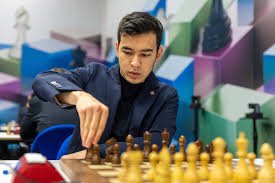
chessbrainz
Mar 09,2026
 0
0
 17
17
chessbrainz
Mar 09,2026
0
21
chessbrainz
Mar 09,2026
0
55

chessbrainz
Mar 06,2026
0
32
017
021
055
032 11159
11159 01068
01068 0900
0900 0929
0929
chessbrainz
Mar 09,2026
0
17
chessbrainz
Mar 09,2026
0
55

chessbrainz
Jan 16,2026
0
363
chessbrainz
Jan 16,2026
0
223

.png)