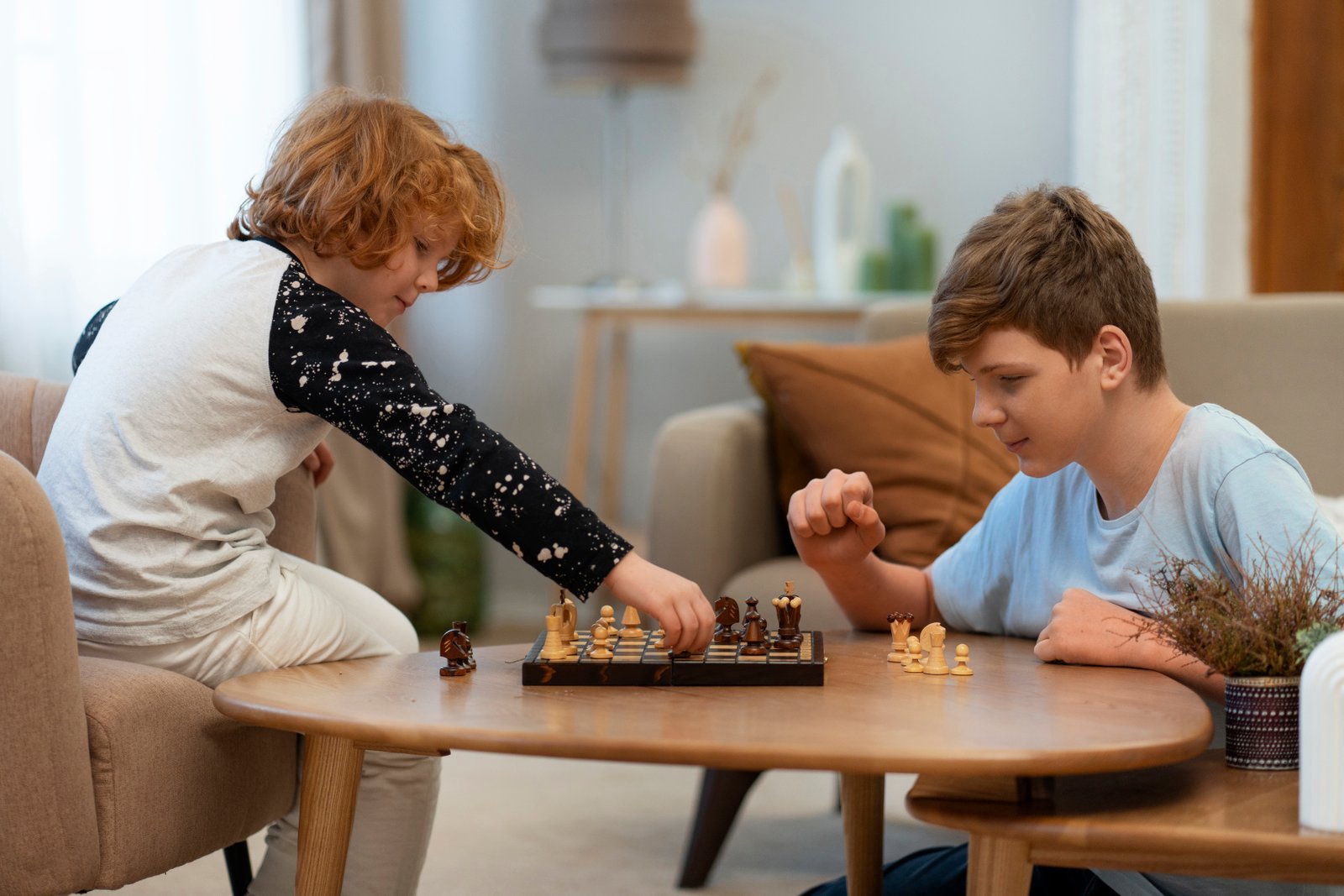
If you’ve ever had a conversation with parents whose kids started chess really early, you’ll probably hear the same thing: “We thought it was just a game at first.” And then, when reality hits: It’s so much more than that. Chess has this quiet magic. The benefits of playing chess doesn’t seem loud at first, but it sneaks in slowly.
You notice it in better focus during homework, in calmer reactions after a loss, in sharper thinking during everyday moments, and in a confidence that feels earned, not forced. These are some of the real benefits of playing chess from a young age, and honestly, stories tell it better than any theory ever could.
At Chessbrainz, we see this happen every single day. From four-year-olds learning to sit still for the first time, to nine-year-olds confidently planning three moves ahead. It’s real, it’s gradual, and it’s incredibly rewarding.
Kids have minds that are naturally curiosity-driven and so adaptable. Bring chess into the mix early, and it just clicks with how they learn. They don’t just memorize moves; they learn how to think, weigh options, and see the consequences of what they do.
One of the coolest benefits of playing chess young is patience. Kids quickly figure out that rushing only leads to mistakes. Over time, they start pausing, checking their moves, and making smarter choices. And guess what? Those habits spill over into life outside the game. Better focus on homework, calmer reactions, sharper attention in daily stuff.
Plus, chess teaches responsibility. Every move matters, and no one else gets the blame. That lesson sticks, gently but powerfully. Starting young means these habits grow naturally. Chess becomes part of how they think, not just a thing they do on the side.
Some of the world’s best players started young, often without a clue where it would take them. What did they all have in common? Curiosity, consistency, and great guidance.
Way before he became world number 1, Magnus picked up chess as a kid, totally fascinated and genuinely curious. Nothing was rushed. He just explored, played, experimented, and enjoyed it. That early love? It laid the groundwork for his legendary calm under pressure later in life.
Abhimanyu’s story is truly incredible. Becoming the youngest Grandmaster in history wasn’t only about raw talent. He started young, learned discipline, and developed focus like a pro even as a kid. His journey shows that early exposure to chess, with the right support, can unlock crazy potential.
Similarly, Faustino Oro, also known as the Messi of Chess. He started as a little kid, quickly fell in love with strategic thinking, and stuck with it. Through consistent practice, patience, and guidance, he is hitting some amazing milestones in his recent tournaments. His story proves that starting young, combined with dedication, can turn curiosity into real success in chess.
These are just a handful of real success stories in chess history. And the lesson? Starting early isn’t about pushing kids too hard; it’s about giving them the space, time, and guidance to grow naturally.
Famous players are inspiring, but sometimes it’s the everyday stories that hit home. At Chessbrainz, parents see small but meaningful changes every day: better focus, growing confidence, and an actual love for learning.
These stories perfectly show the real benefits of playing chess when kids get the right support at the right pace.
Confidence that chess builds is often quiet. It comes from spotting a tricky move, figuring out a pattern, or bouncing back after a mistake. Every small win stacks up. Kids learn that mistakes aren’t scary; they’re lessons. Losing a game becomes an opportunity, not a failure. Slowly, they start trusting their own thinking, feeling less afraid of challenges, and more ready to try.
And that confidence doesn’t just stay on the board. Parents notice kids speaking up more, handling setbacks calmly, and approaching problems with thoughtfulness. Chess teaches them that growth comes from effort and reflection, not instant results. That’s a life lesson that sticks.
The benefits of playing chess don’t stop at checkmate. Chess builds skills that impact everything kids do:
These skills pop up in school, friendships, and daily life. Chess also teaches kids to compete in a healthy way, try their best, accept results, and keep improving. It helps them grow into thoughtful, resilient individuals.
Parents choose Chessbrainz because it’s about more than just moves on a board. The chess academy focuses on mindset, discipline, and enjoyment.
Chessbrainz offers:
These benefits of playing chess help kids learn at their own pace, ask questions, and enjoy the process. This builds skill, confidence, and a genuine love for chess.
1. What are the key benefits of playing chess from a young age?
Chess improves focus, critical thinking, patience, and emotional control in children.
2. How early can children start learning chess?
Many children start learning chess around four or five years old.
3. Are there real success stories in chess from early learners?
Yes, both famous players and everyday students show strong progress when starting young.
4. Does chess help children outside of the game?
Absolutely. Chess supports academic skills, decision-making, and emotional resilience.
5. Why choose Chessbrainz for young learners?
Chessbrainz combines skilled coaching, structured learning, and a child-friendly environment.
 Previous ArticleBig Chess Tournaments 2025: What Young Players Can Learn from the Masters Next ArticleShould You Invest in Chess Classes When Free YouTube Tutorials Exist?
chessbrainz
Jan 16,2026
 0
0
 259
259
chessbrainz
Jan 16,2026
0
145
chessbrainz
Jan 05,2026
0
194
chessbrainz
Jan 05,2026
0
222
0259
0145
0194
0222 11137
11137 01041
01041 0880
0880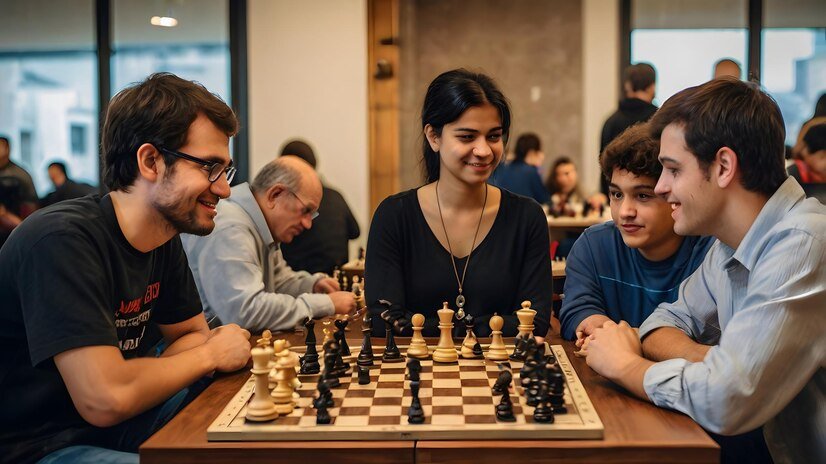 0909
0909
chessbrainz
Jan 16,2026
0
259
chessbrainz
Jan 16,2026
0
145
chessbrainz
Nov 11,2025
0
243
chessbrainz
Nov 11,2025
0
240

.png)