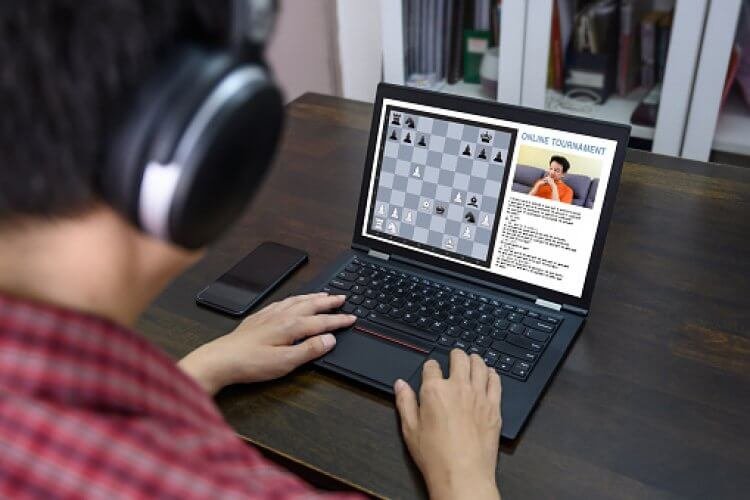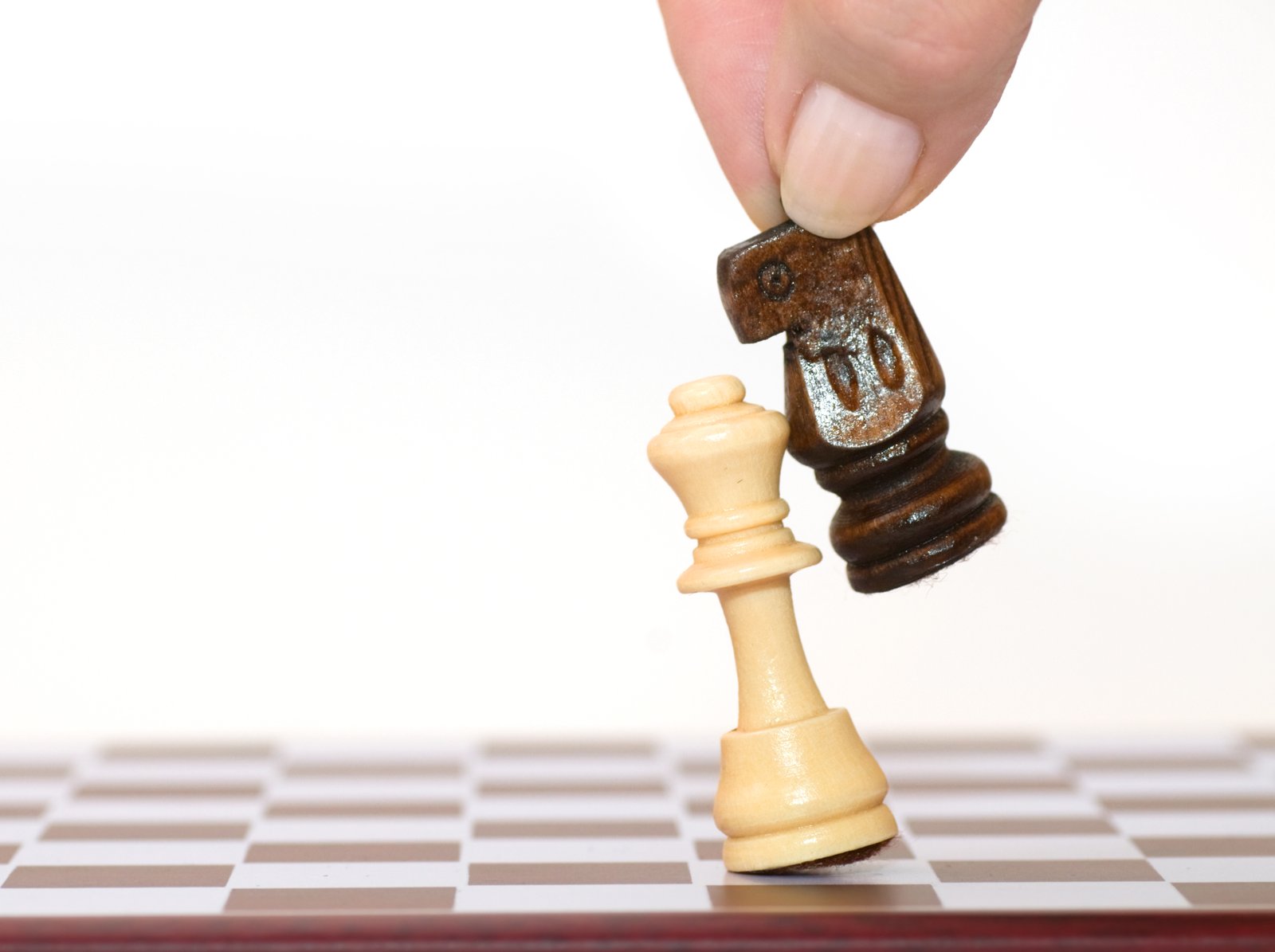
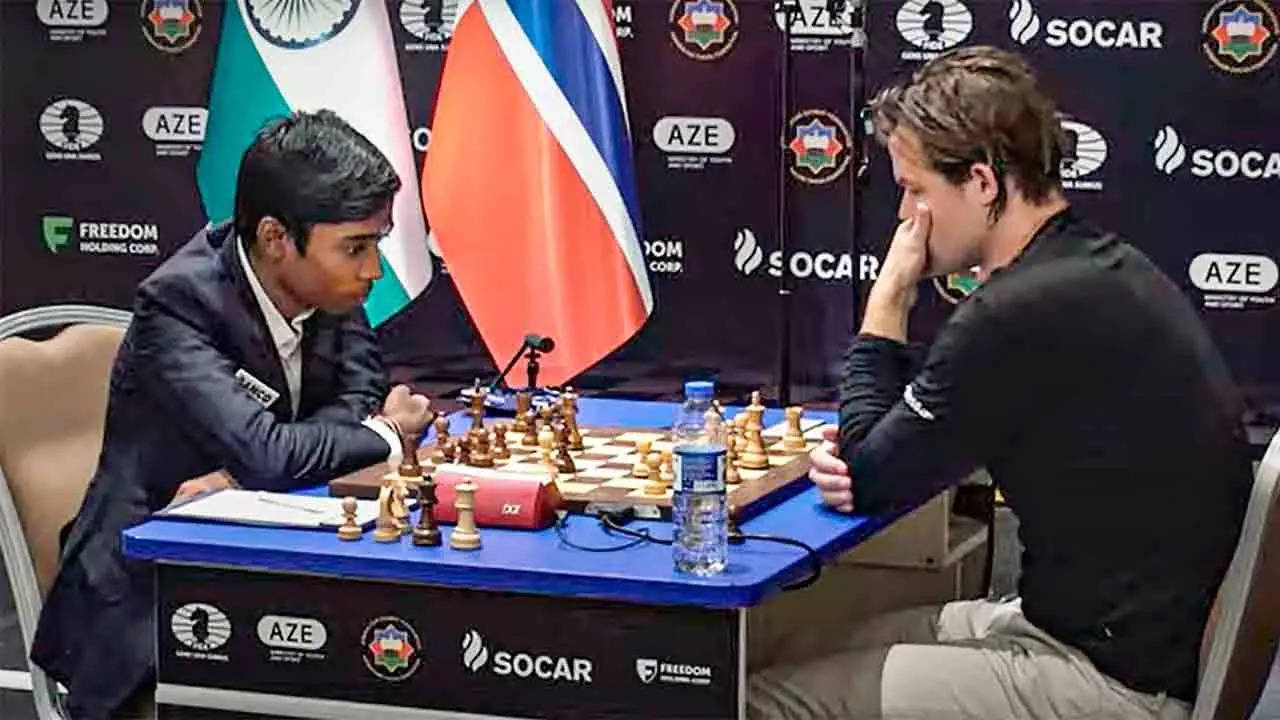
Have you ever wrapped up a chess game and just sat there for a second, staring at the board, thinking about how everything slipped away? Maybe you were playing carefully, checking every move, and suddenly the clock became your biggest enemy. Or maybe you were moving fast, feeling sharp, and only later realized you missed something painfully obvious. That tug between moving quickly and playing accurately is something almost every chess player deals with, whether they admit it or not.
Balancing speed and accuracy is not some advanced secret reserved for grandmasters. It is one of the most practical challenges in chess, and it directly affects time management in chess and long-term improvement of chess skills. The tricky part is that most players lean too far in one direction. They either overthink everything or rush through positions that deserve a little more respect.
The real goal is not to choose speed or accuracy. The goal is to learn how they work together.

One common mistake players make is trying to play faster before they actually understand what they are doing. It feels logical at first. Faster moves seem confident, even intimidating. But without a solid foundation, speed usually turns into repeated errors.
When you understand opening ideas, middlegame plans, basic endgames, tactics, and positional concepts, something interesting happens. You stop guessing and staring at the board, hoping something exceptional will show up. You start recognizing patterns, structures, and typical plans. That recognition saves time automatically, without forcing yourself to rush.
This is where real-time management in chess begins, not with the clock, but with clarity. When you know what you are looking for in a position, decisions come faster and feel calmer. You are not fighting the board anymore. Accuracy grows first, and speed follows on its own.
Blitz and bullet games are fun. There is no denying that. The pace, the pressure, the quick wins, and even the quick losses all create a rush that keeps players coming back. But when speed becomes the only way someone practices, it quietly creates bad habits.
Players stop calculating properly. They rely on instinct even when the position demands care. Mistakes repeat themselves, not because the player is weak, but because there is no time taken to understand why the mistake keeps happening. Over time, improvement slows down, and frustration sets in.
Speed without accuracy feels productive, but it often is not. Accuracy without any speed, however, creates a different problem, which shows up as constant time trouble and stress. The balance sits somewhere in the middle.
One of the smartest ways to balance speed and accuracy is by using different time formats with intention, not randomly. Faster games like blitz and bullet are excellent for sharpening instincts. They teach you to trust your first evaluation, manage pressure, and stay alert. They are great for openings, basic tactics, and pattern recognition. But they should not be the only format you play.
Slower formats like rapid and classical games are where accuracy truly develops. These games allow you to calculate, explore ideas, and understand consequences. They give you the space to think and, more importantly, to learn from mistakes.
When combined properly, fast games build confidence and rhythm, while slower games build depth and understanding. Together, they support steady improving chess skills without burning players out.
Not every position deserves deep calculation. One of the biggest turning points for many players is learning when to invest time and when to move naturally. Simple recaptures, forced moves, and familiar structures usually do not need long thinking. Critical positions, tactical moments, and unclear middlegames often do. Learning to feel that difference takes experience, feedback, and reflection.
As this skill develops, players stop wasting time on obvious moves and stop panicking in complex positions. Their thinking becomes smoother, more controlled, and far less exhausting. This is where speed and accuracy finally stop competing with each other.
At Chessbrainz, this exact struggle shows up in almost every student, regardless of age or level. Some players move too fast and miss key ideas. Others hesitate so much that the clock becomes an opponent. Instead of forcing a single style, we first help students understand how they think during a game. Our coaches closely observe how students make decisions, where they hesitate, and where they rush. Through structured lessons, live interaction, and thoughtful game discussions, students begin to see patterns in their own thinking. Once that awareness builds, time management in chess starts improving almost automatically.
We do not treat speed and accuracy as two separate skills. We show how strong fundamentals make faster thinking possible, and how controlled speed improves focus and confidence. Students learn to stop guessing and start trusting their preparation. Another important part of our approach is teaching students how to use different time formats with purpose. Blitz is used to build rhythm and confidence. Rapid games are used to strengthen accuracy and calculation. Nothing is random. Everything has a reason.
Over time, students stop feeling rushed and stop fearing mistakes. They begin playing with clarity, patience, and confidence. That mental shift is just as important as any opening or tactic when it comes to improving chess skills.
It helps players avoid panic, reduce mistakes, and make stronger decisions throughout the game.
Yes, when combined with slower games, fast formats improve instincts and comfort under pressure.
Good time management in chess allows players to think deeply when needed and stay calm overall.
Accuracy should come first, because speed naturally improves with understanding and experience.
Chessbrainz offers personalized coaching, structured practice, and real feedback that builds confidence and clarity.
 Previous ArticleKey Differences Between Blitz and Rapid Chess and How to Play Them Next ArticleTop 10 Chess Books Every Chess Player Should Read
chessbrainz
Mar 09,2026
 0
0
 23
23
chessbrainz
Mar 09,2026
0
40
chessbrainz
Mar 09,2026
0
25

chessbrainz
Mar 06,2026
0
86
023
040
025
086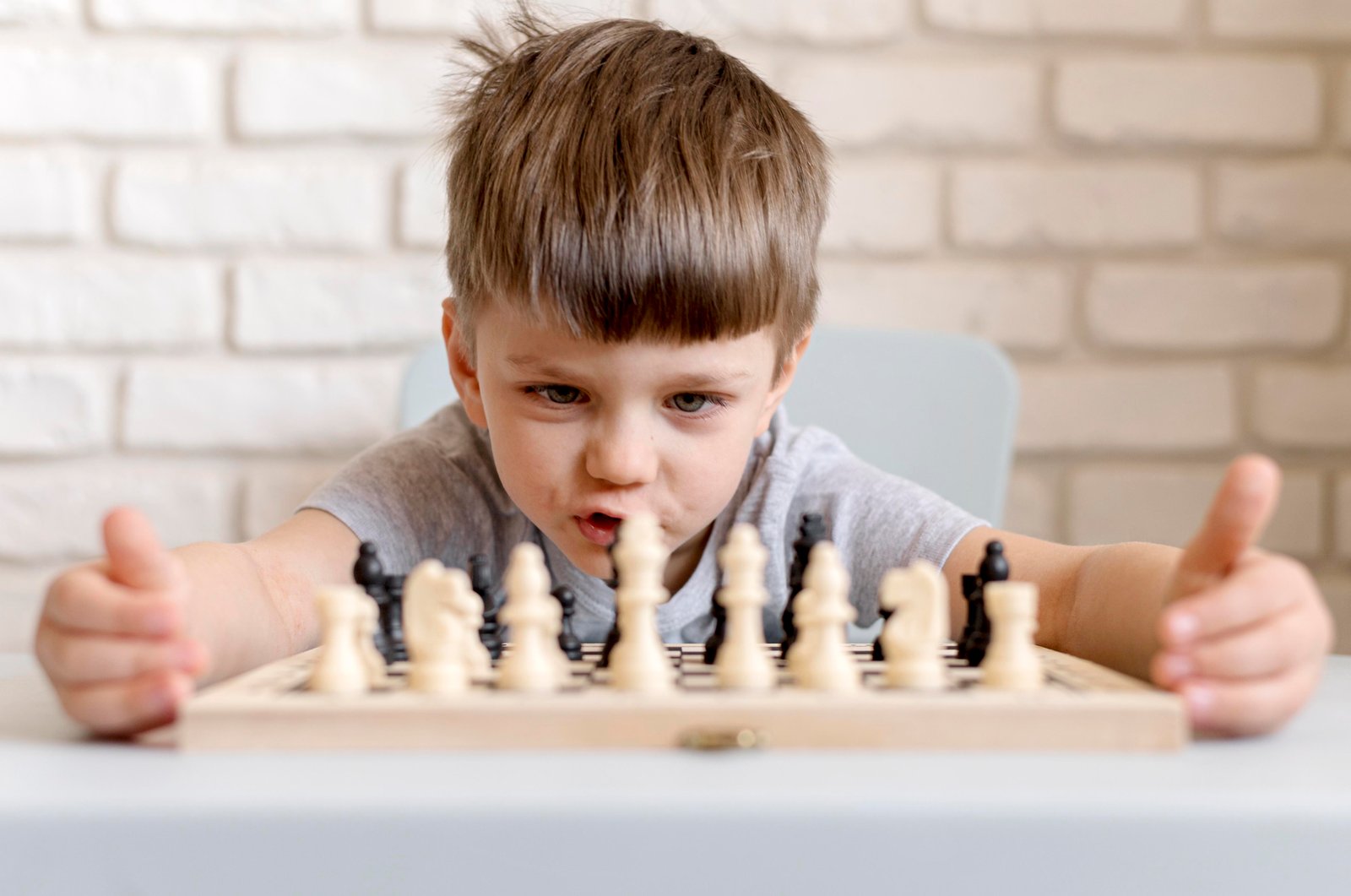 0395
0395 0575
0575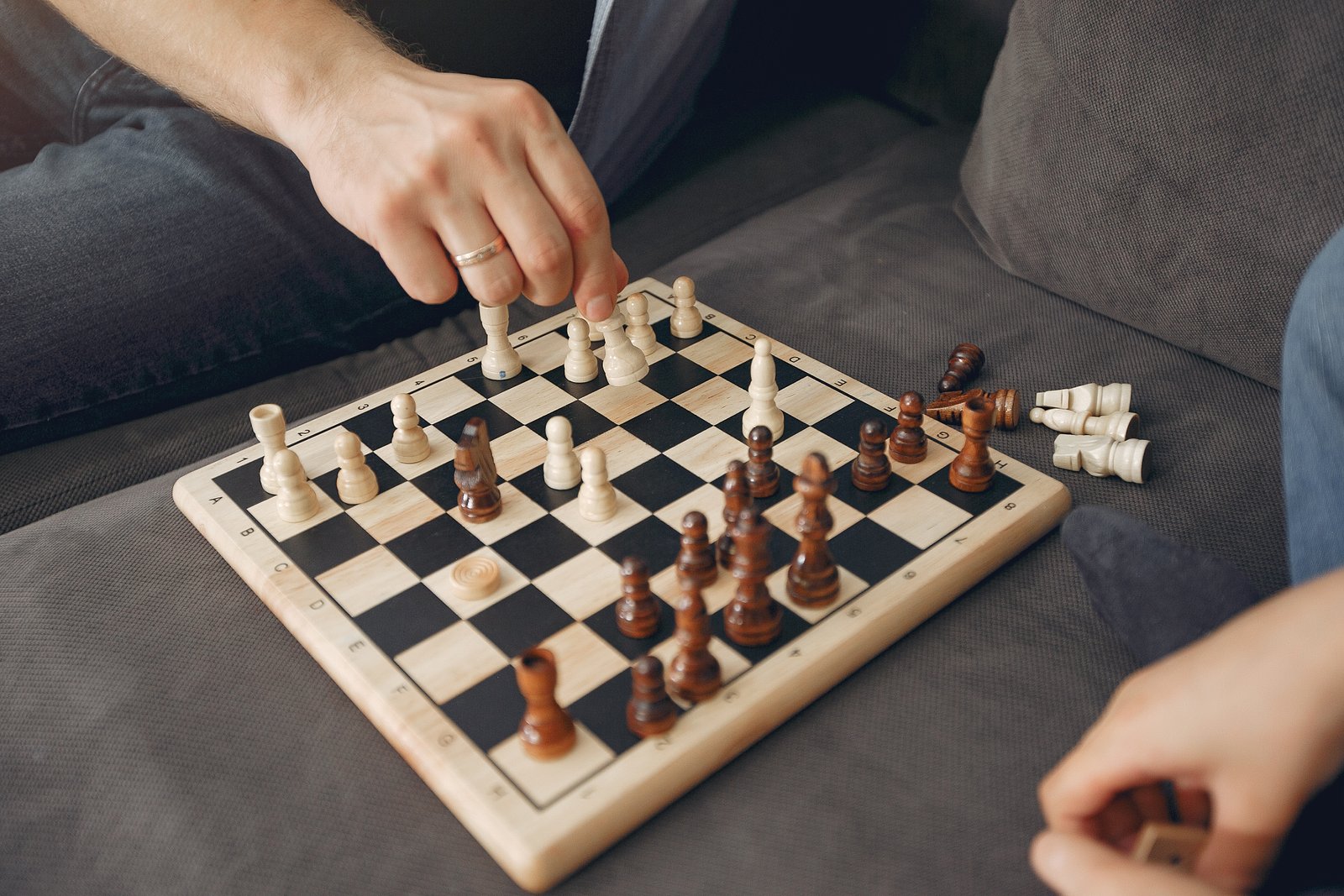 0420
0420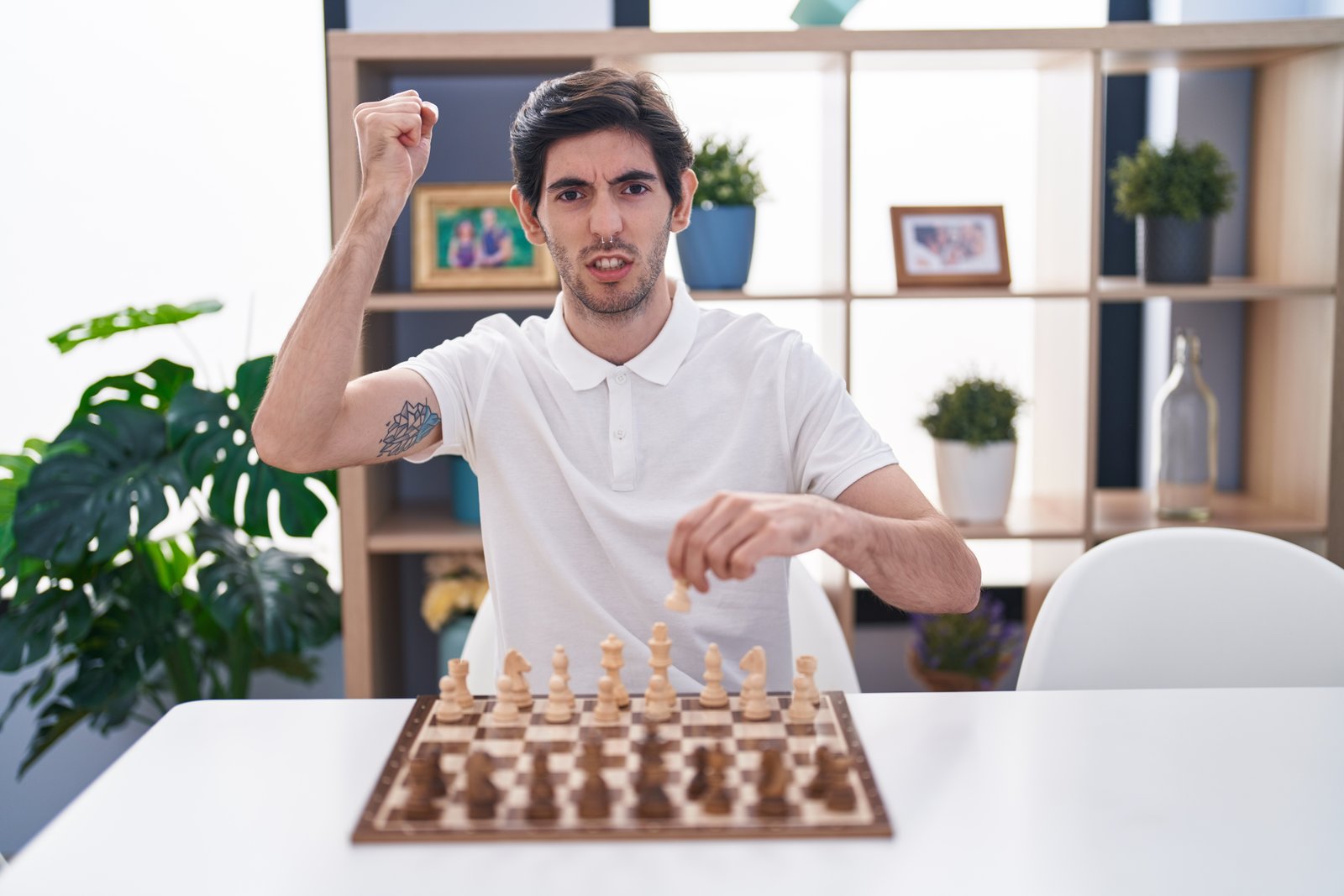 01276
01276
.png)