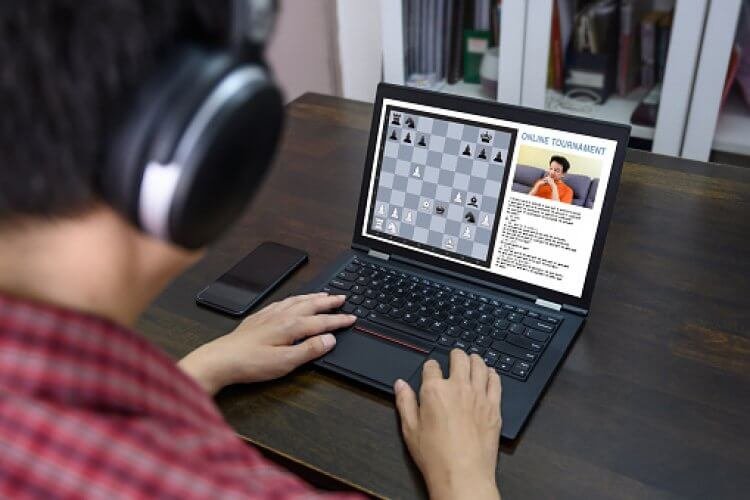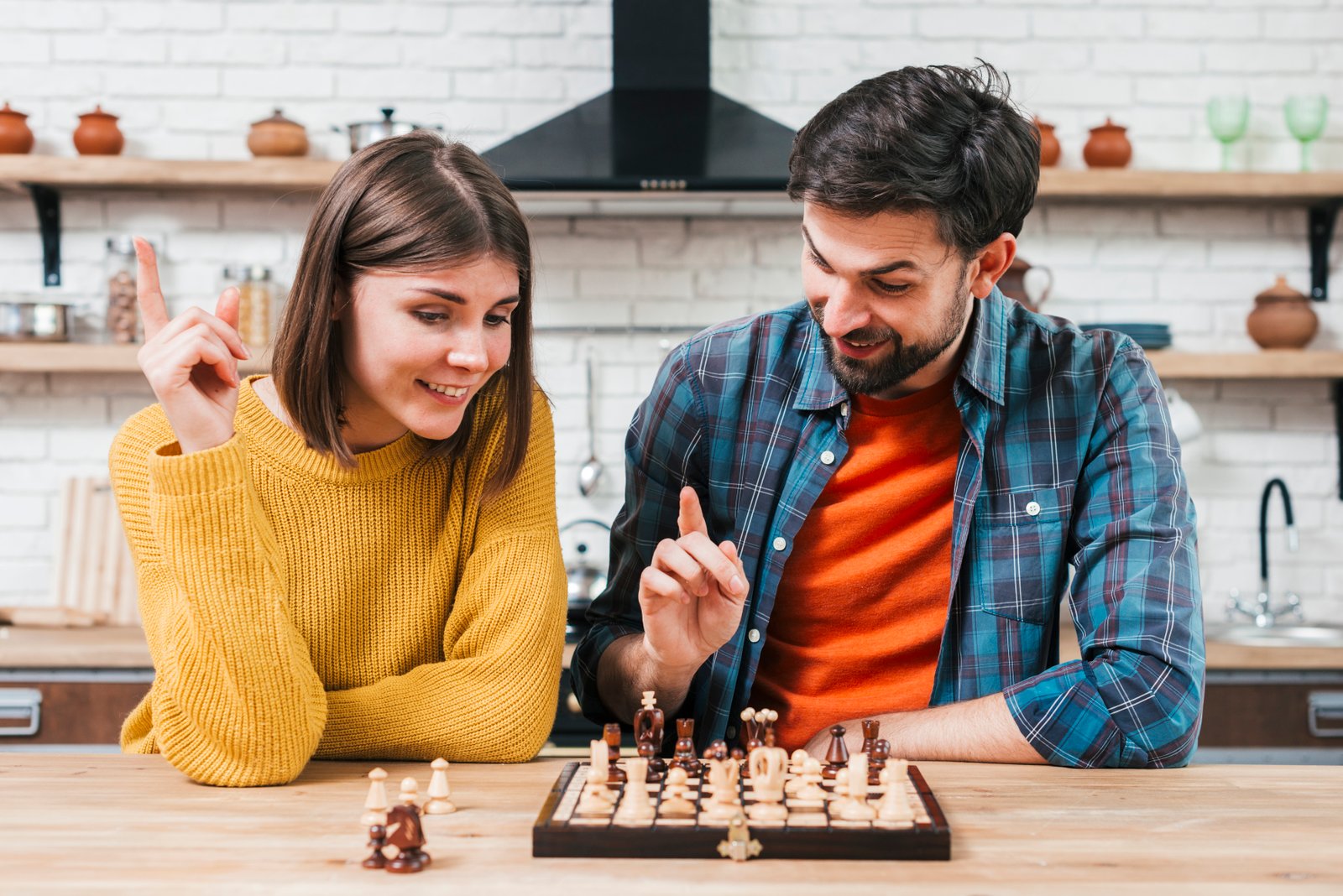
Every sport has its own versions of fast and slow formats. Cricket has Test matches and T20s, football has full matches and quick five-a-side games, and tennis has long Grand Slams and shorter exhibition formats. So, have you ever wondered what the equivalent is in chess?
Chess, too, comes with its own speed variations, and two of the most popular ones are Blitz and Rapid. At first glance, they may look similar. Both are faster than classical chess, both are played online and over the board, and both demand quick thinking. But once you start playing seriously, you realize they feel completely different.
Understanding the difference between blitz vs rapid chess strategies is not just about knowing the clock settings. It’s about learning how your thinking, decision-making, and even emotional control change with time. And that’s exactly what we’re going to break down here, in a simple, human way.
Rapid chess sits comfortably between classical chess and blitz. It gives players enough time to think, calculate, and plan, without stretching the game over several hours.
In most formats, rapid chess time usually ranges between 10 to 25 minutes per player, often with small time increments added after each move, and without increment, too. A common example is 15 minutes plus a 10-second increment.
Because of this balance, rapid chess rewards good fundamentals. You have time to evaluate positions, think about plans, and avoid obvious blunders, but you still need to stay alert and manage your clock well.
Rapid chess is often where players start transitioning from casual play to more serious chess. It allows you to practice real decision-making without the pressure of blitz.
Blitz chess, on the other hand, is all about speed and instincts. Typically, blitz games are played with 3 to 5 minutes per player, sometimes with a small increment like 2 or 3 seconds. In some cases, there’s no increment at all.
Here, there’s barely time to calculate deeply. Instead, you rely on pattern recognition, intuition, and quick reactions. Mistakes happen often, and comebacks are common. One moment you’re winning, the next moment your flag is hanging by a thread.
Blitz is intense, chaotic, and addictive. It sharpens your reflexes but also exposes weak habits very quickly.
Let’s talk clearly about time, because that’s where everything starts.
In rapid chess, you usually get:
10 to 25 minutes per player
Small increments (5–15 seconds per move)
In blitz chess, you usually get:
3 to 5 minutes per player
Small increments (0–5 seconds per move)
That difference might sound small on paper, but in practice, it completely changes how you play. In rapid, you can pause and think. In blitz, you often move first and think later.
Rapid chess allows you to actually play chess, not just react.
You can:
Build plans
Evaluate pawn structures
Think about long-term piece activity
Recover calmly after a mistake
Because of the extra time, positional understanding matters more. If you consistently put your pieces on good squares and avoid unnecessary risks, you’ll often outplay opponents who rush. This makes rapid chess ideal for improving calculation, learning strategic planning, building endgame confidence, and reducing blunders.
Blitz chess feels very different inside your head. You don’t calculate long lines. Instead, you rely on:
Pattern recognition
Tactical awareness
Intuition
Speed
You often make moves that are “good enough” rather than perfect. Psychological pressure plays a huge role. Even strong positions can collapse if you’re low on time. Blitz is great for sharpening tactical instincts, improving speed, learning to play under pressure, and developing confidence in quick decisions.
This is where things get interesting. The blitz vs rapid chess strategies are not just slightly different; they’re often opposite.
In rapid chess, you should:
Choose solid openings you understand well
Avoid unnecessary complications
Focus on piece coordination
Convert advantages patiently
Sacrifices need justification. Wild attacks without calculation usually fail. Endgames matter because many rapid games actually reach them.
In blitz chess, you should:
Play openings you can handle quickly
Create practical problems for your opponent
Keep the position complex
Use time pressure as a weapon
Sometimes, it’s okay to play an objectively inferior move if it creates confusion. Psychological pressure often wins games faster than perfect moves.
This is a question many players ask, and the honest answer is: both, if used correctly.
Rapid chess helps you:
Build strong foundations
Understand strategy
Improve calculation accuracy
Blitz chess helps you:
Develop speed
Spot tactics instantly
Handle pressure situations
The mistake many players make is playing only blitz and expecting deep improvement. Blitz is excellent as a supplement, but rapid chess is where real learning happens.
In rapid chess:
Overthinking simple positions
Mismanaging time in the opening
Playing too passively
In blitz chess:
Playing too fast without any plan
Ignoring the king's safety
Panicking when low on time
Understanding these mistakes is the first step toward improving in both formats.
Switching formats isn’t as simple as changing the clock. If you play rapid and move to blitz:
Trust your instincts more
Simplify your decision-making
Focus on familiar structures
If you play blitz and move to rapid:
Slow down consciously
Calculate before committing
Think in plans, not just moves
Training both formats intentionally helps you become a more complete player.
At Chessbrainz, we understand that blitz and rapid chess require different thinking styles. Our coaching doesn’t treat them as the same game with different clocks.
We help students:
Understand how rapid chess time changes decision-making
Develop format-specific plans and habits
Improve accuracy in rapid games
Build confidence and speed in blitz games
Just like a healthcare expert examines your strengths and weaknesses before suggesting treatment, our coaches analyze how you play. Whether you’re stronger positionally or tactically, we tailor training to suit you.
This approach ensures:
Fewer repeated mistakes
Faster improvement
Better results in real games
Unlike random practice, Chessbrainz offers structured sessions, live feedback, and guided improvement. Students don’t just play more games; they play better games.
This structured approach helps students:
Avoid repeating the same mistakes
Understand why certain decisions work or fail
Apply lessons directly in real games
Prepare confidently for online and tournament play
Whether your goal is to climb online ratings or prepare for tournaments, learning how to handle both blitz and rapid formats is essential, and we make that process clear and effective.
Rapid chess is usually played with 10 to 25 minutes per player, with or without time increments.
Blitz games are usually 3 to 5 minutes per player, sometimes with small increments.
Rapid chess is generally better for beginners because it allows more time to think and learn.
Yes, blitz focuses on speed and intuition, while rapid emphasizes planning and calculation.
Yes, Chessbrainz offers personalized coaching to help players improve in both formats effectively.
 Previous ArticleWhat Bullet and Blitz Chess Really Do to Your Calculation Skills Next ArticleHow to Balance Speed and Accuracy in Chess Matches
chessbrainz
Mar 09,2026
 0
0
 23
23
chessbrainz
Mar 09,2026
0
40
chessbrainz
Mar 09,2026
0
25
chessbrainz
Mar 06,2026
0
86
023
040
025
086
023
025
086 00
00
.png)