Chess burnout is rarely talked about openly, yet it affects players at every level. Many players feel guilty admitting they are tired of studying, frustrated with training, or mentally exhausted. Chess is often seen as a purely intellectual pursuit, so burnout feels like a personal failure. In reality, burnout is a natural response to prolonged mental strain without proper balance.
Burnout does not appear suddenly. It builds quietly over time. Players lose motivation to study, feel irritated during games, and stop enjoying positions they once loved. Concentration drops, blunders increase, and training sessions feel like chores. The desire to improve remains, but the energy to do so disappears.
When progress slows, most players respond by studying more. They add extra puzzles, longer sessions, and more videos. This usually worsens burnout. Chess improvement requires recovery just as much as effort. Without mental rest, the brain stops absorbing new information effectively.
One of the biggest causes of burnout is unrealistic expectations. Players expect rapid rating gains, constant improvement, and mistake-free games. When results do not match effort, frustration builds. Chess improvement is uneven by nature, and expecting linear progress creates unnecessary pressure.
Overtraining in chess leads to shallow learning. When the brain is fatigued, players memorize without understanding and calculate without clarity. Mistakes increase not because of lack of knowledge, but because the mind is overloaded. At this stage, studying more produces diminishing returns.
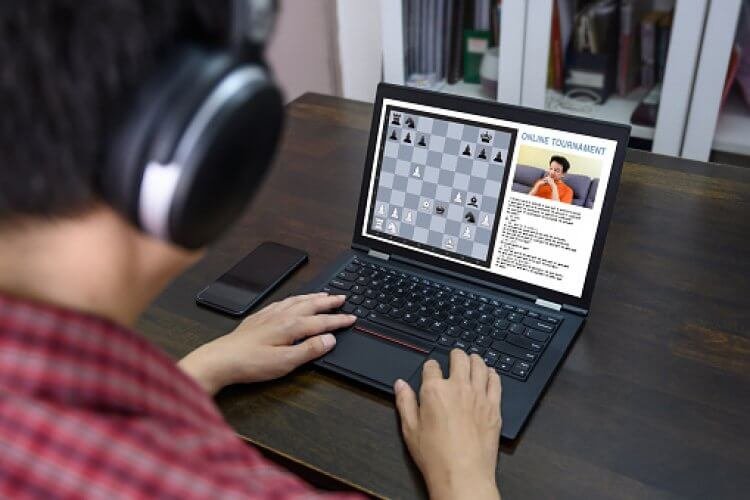
Online chess encourages excessive play. Endless games, fast time controls, and rating swings create emotional highs and lows. Many players play far more than they analyze or reflect. This constant stimulation drains mental energy and speeds up burnout without obvious warning signs.
Burnout is not only cognitive; it is emotional. Fear of losing rating, comparison with others, and self-criticism all contribute. Players begin to associate chess with stress rather than curiosity. Once this emotional shift happens, motivation collapses quickly.
Many players resist breaks because they fear losing form or falling behind. Ironically, refusing to rest often causes bigger setbacks. Breaks allow the brain to consolidate learning. Stepping away temporarily often leads to clearer thinking and renewed motivation.
Strong players manage energy, not just study time. They alternate intense work with lighter sessions, mix training types, and respect mental fatigue. They understand that long-term improvement depends on sustainability, not constant pressure.
Burnout increases when training lacks direction. Random puzzles, endless videos, and unfocused games create mental noise. Purposeful training, where each session has a clear goal, feels lighter and more rewarding. Clarity reduces mental stress.
Working with a coach helps prevent burnout by providing structure and perspective. Coaches prevent overtraining, set realistic goals, and adjust workload. More importantly, they help players understand that struggle is part of growth, not a sign of failure.
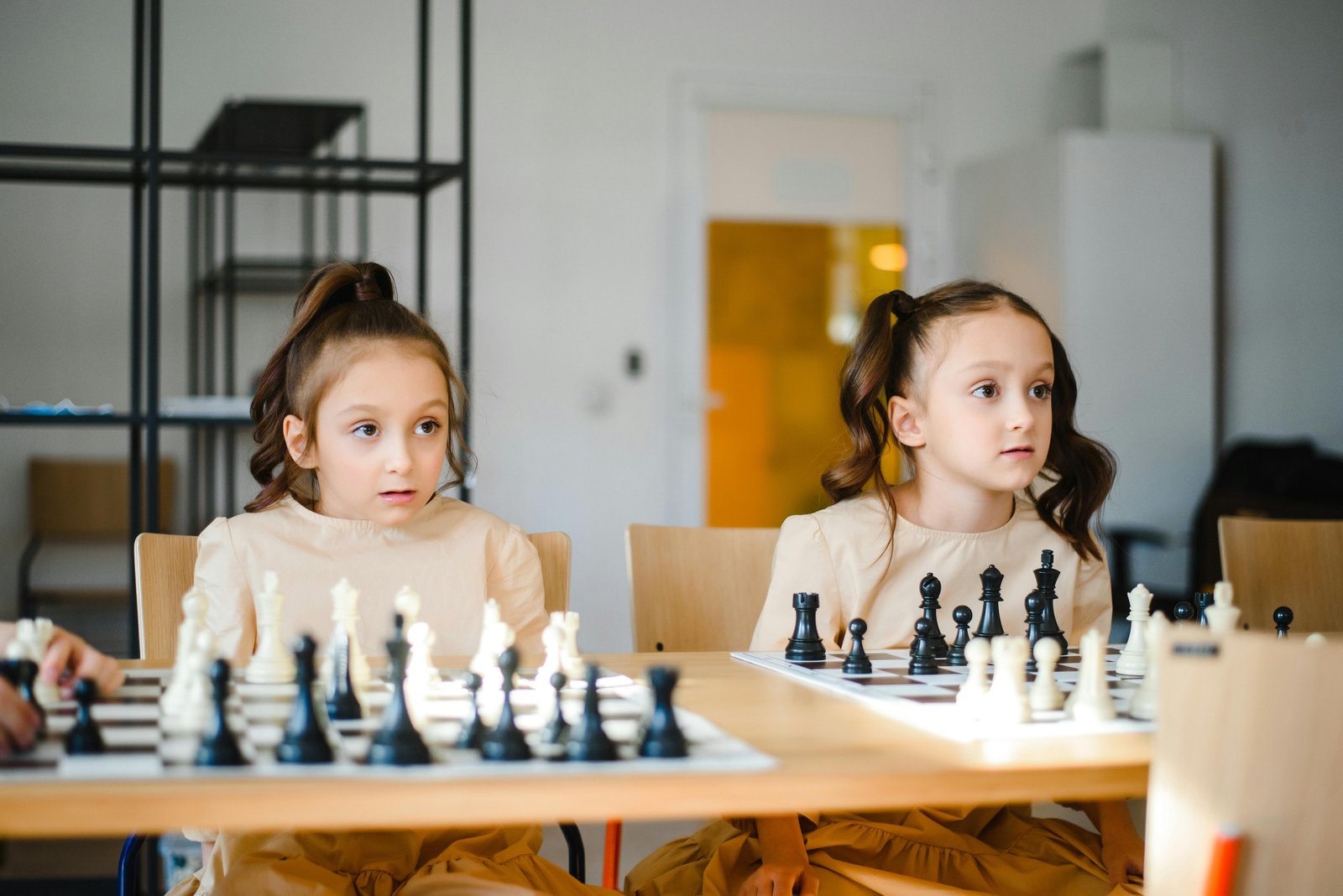
Children are especially vulnerable to burnout when chess becomes performance-driven too early. Excessive pressure, constant tournaments, and lack of enjoyment can cause young players to quit entirely. Balanced training and fun are essential for long-term development.
Burnout should be treated as a signal, not a weakness. When motivation drops and frustration rises, it is time to reassess training habits. Small adjustments often restore energy faster than complete breaks.
Preventing burnout means respecting mental limits, accepting slow phases of improvement, and keeping chess enjoyable. Sustainable routines outperform intense but short-lived effort. Consistency beats obsession.
Chess burnout is not a lack of passion; it is a sign of imbalance. Studying harder is rarely the answer. Smarter training, realistic expectations, and proper rest are what keep improvement alive. Players who learn to manage burnout improve longer, enjoy chess more, and reach higher levels without burning out.
If you want help building a sustainable training routine that improves your chess without exhaustion, you can book a free demo chess class and learn how structured guidance keeps progress steady and enjoyable.
— Kunal Gupta
 Previous ArticleHow to Analyse Your Own Chess Games with the Guidance of a Professional Coach Next ArticleHow to Train Like a 2000+ Rated Chess Player Even if You Are a Beginner
chessbrainz
Mar 09,2026
 0
0
 23
23

chessbrainz
Mar 09,2026
0
40
chessbrainz
Mar 09,2026
0
25

chessbrainz
Mar 06,2026
0
86
023
040
025
086
023
025
086 00
00
.png)