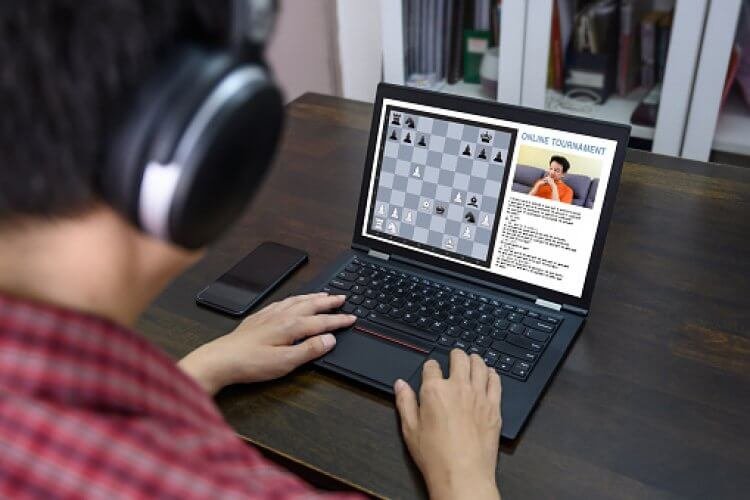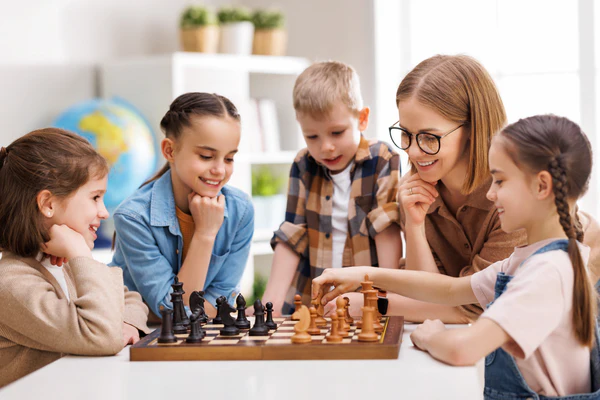
At ChessBrainz, we’ve taught thousands of children over the years, and the pattern is impossible to ignore: kids who learn chess think better, focus better, behave better, and grow in ways many parents don’t expect. Parents often ask whether chess is “worth it” compared to sports, music classes, coding, or academic tuition. The answer is yes, and not because chess is a game we love, but because its impact on a child’s development is deeper and more complete than most other activities.
Chess strengthens the mind, builds character, and teaches emotional maturity all at the same time. It is one of the few extracurriculars that levels the playing field for every child, regardless of age, physical ability, or personality type. Over time, it helps kids become sharper, calmer, more confident, and more resilient.
This article breaks down exactly why chess remains the most powerful extracurricular activity for children today.

Chess develops a child’s brain in ways that most school subjects simply cannot. In school, kids solve problems that have fixed answers. In chess, every situation is new. They must analyze, compare possibilities, anticipate consequences, and choose a plan all independently. This builds the kind of mental flexibility that exams and textbooks rarely demand.
The first major advantage is improved concentration. Young children struggle to stay focused, but chess forces them to remain present. A single moment of distraction can change the result of a game, so kids naturally learn to stay mentally engaged for longer periods. Over months, this becomes a habit that carries into schoolwork and daily routines.

The second advantage is increased memory. Children remember patterns, openings, strategic structures, and tactical ideas. This strengthens both short-term and long-term memory in a way that is fun, not forced.
The third advantage is analytical reasoning. Chess pushes children to evaluate situations where no one tells them the right answer. They must understand cause and effect, develop logic, and use step-by-step thinking skills that directly improve their approach to mathematics, science, and language subjects.
Another advantage is creativity. Many parents wrongly assume chess is only logic and calculation. In reality, creativity is essential. Children learn to invent ideas, imagine possibilities, and think outside the box. A beautiful move in chess often comes from creative thinking, not mechanical calculation.
And finally, chess increases problem-solving speed. Kids learn to break down complex situations into manageable parts and decide quickly and accurately. Few activities teach this combination of speed and correctness simultaneously.
This intellectual foundation makes chess one of the most complete brain-development tools available for children.

School teaches children information. Chess teaches them how to think. This difference is massive.
One of the most important lessons is learning to take responsibility. In chess, every mistake belongs to the player. You cannot blame your opponent, your team, or your luck. Kids quickly learn that improvement comes from reflection, not excuses. This builds accountability and maturity.
Chess also teaches patience. Many children want instant results, instant wins, and instant progress. But chess demands calm thinking and long-term planning. Kids must resist the temptation to act impulsively. This helps them control their emotions in stressful moments outside the game.
Another major lesson is emotional resilience. Losing is difficult for children, especially today when many activities protect them from discomfort. Chess does not. Every tournament and every practice session gives them small experiences of failure, followed by learning, recovery, and improvement. Over time, this builds a powerful internal toughness.

Chess also teaches decision-making under uncertainty. Kids rarely have complete information. They must choose the best move with what they know. This ability to make good choices even in unclear situations is one of the most valuable skills for adult life.
Chess encourages independence. In most activities, children rely on coaches or teammates during performance. In chess, once the game begins, they are completely on their own. This builds self-reliance and confidence.
Finally, chess teaches strategic planning. Children learn to think several steps ahead, anticipate outcomes, and work toward long-term goals. This is a life skill that shapes their personal, academic, and career trajectories more than any other extracurricular activity.

One of the greatest strengths of chess is its ability to build long-lasting discipline. Children who stay with chess for several months naturally develop stronger study habits, consistent routines, and a more structured approach to problem-solving.
The discipline comes from repeated exposure to slow progress. Chess improvement is steady, not instant. Children learn to respect the learning process instead of expecting quick results. This makes them more patient and focused in their academic work as well.
Chess sharpens emotional control. Kids learn to sit quietly, manage frustration, and remain calm even when the game is difficult. These qualities are uncommon among children today, especially with how much distraction and overstimulation they experience.
Chess also teaches the habit of reflection. Kids learn to review their games, understand their mistakes, and avoid repeating them. This reflective mindset builds self-awareness and is extremely useful in every part of life.

Another long-term benefit is confidence. The more a child studies, practices, and competes, the more they see their own improvement. Their wins are earned, not given, which builds real, stable confidence, not the temporary kind that comes from praise or grades alone.
Chess also provides a healthy competitive environment. Children learn to respect opponents, win with humility, and lose with dignity. These lessons often translate into better social behavior and emotional maturity.
Finally, chess is one of the few activities that grows with the child. A 5-year-old, a 10-year-old, and a 15-year-old can all enjoy and improve in chess at different levels. This makes it a lifelong skill, not a phase that ends after a season.
Chess strengthens the brain, builds disciplined habits, improves emotional control, and teaches life skills that no other extracurricular activity matches. Whether a child is introverted or extroverted, academically strong or still developing, chess gives them a powerful advantage that shapes their thinking for years.
If you want your child to develop clarity, confidence, and strategic thinking, book a free demo class with us at ChessBrainz.
Join our official ChessBrainz WhatsApp Channel (FREE):
https://whatsapp.com/channel/0029VafILXwBPzjdJ16vzY0L
 Previous ArticleFIDE World Cup 2025: Esipenko Secures Third Place as Sindarov vs Wei Yi Head to Tiebreaks Next ArticleHow Chess Boosts Focus, Memory & Academic Performance in School Children
chessbrainz
Mar 09,2026
 0
0
 115
115

chessbrainz
Mar 09,2026
0
125
chessbrainz
Mar 09,2026
0
148

chessbrainz
Mar 06,2026
0
263
0115
0125
0148
0263
0115
0125
0148
0263
.png)