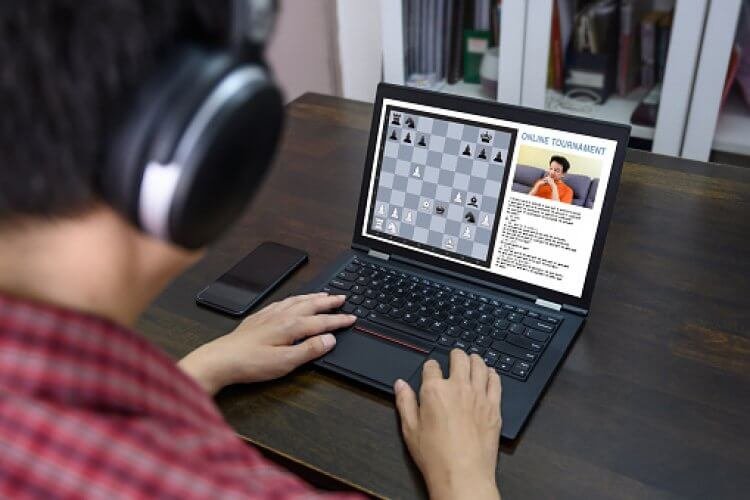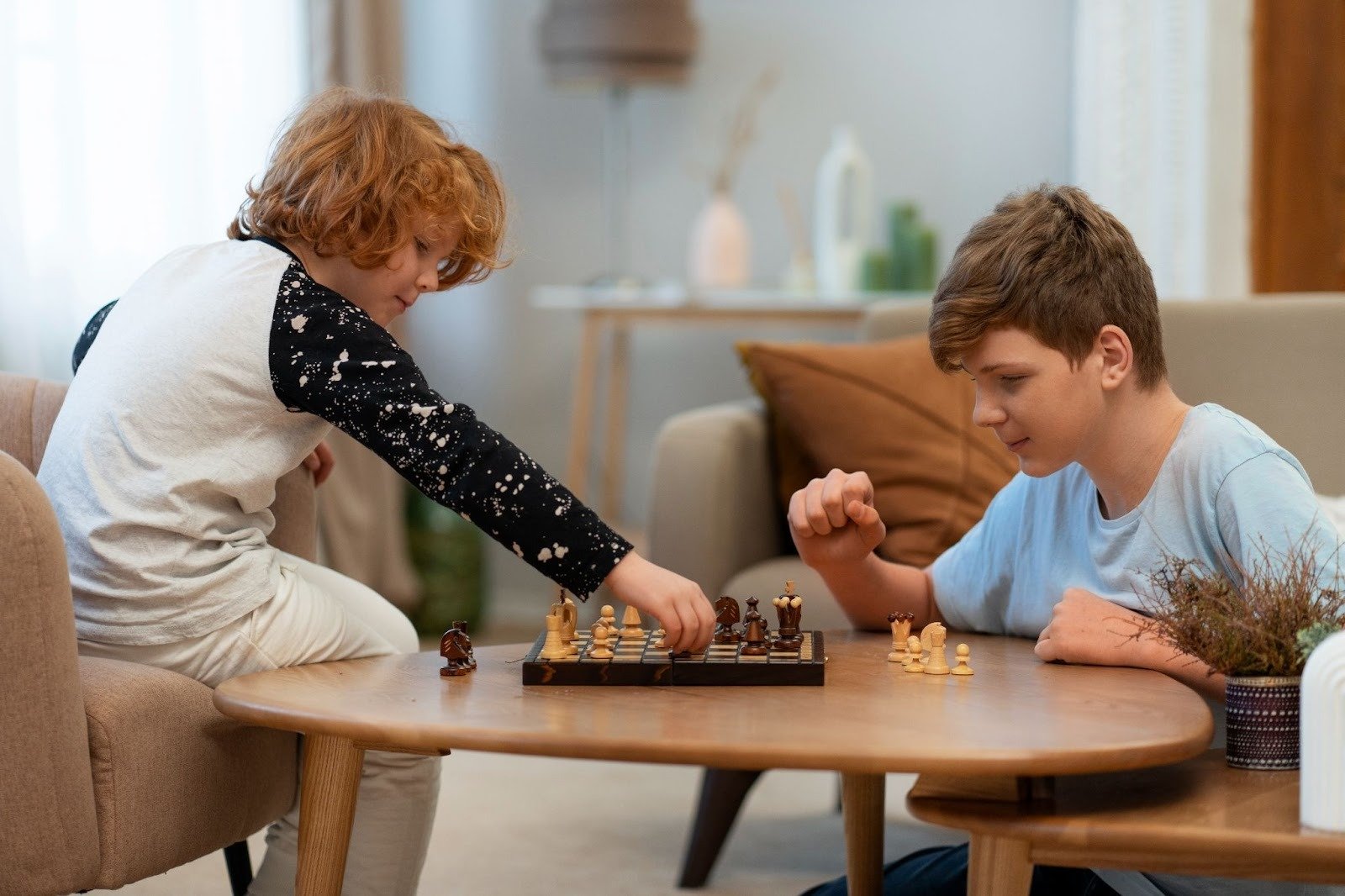
If you have ever watched Viswanathan Anand play, or seen Ding Liren sitting calmly at the board, you might have noticed something that has nothing to do with chess moves. They are quiet, respectful, composed, with no unnecessary reactions, and just sheer focus. That is not because they are born that way. That behavior is learned over years of playing chess the right way.
For kids, this lesson is just as important as learning how pieces move. Chess etiquette for kids is what teaches them how to behave at the board, how to respect others, and how to handle pressure without losing control. These behavior rules in chess shape not just better players, but better young individuals.
Chess is often called a game of the mind, but for children, it is also a game of emotions. Wins feel amazing, and losses can feel painful. Without guidance, kids can easily get frustrated, distracted, or overwhelmed.
That is where chess etiquette comes in. It gives children a framework. It tells them what is expected, how to react, and how to carry themselves during a game. When kids understand these rules, they feel safer, calmer, and more confident playing chess.
Over time, these habits quietly build discipline and emotional control, both on and off the board.
Teaches children how to respect opponents
Helps manage emotions during tough games
Encourages patience and self-control
Builds honesty and fair play
Improves focus and attention
Creates a positive playing environment
Makes chess more enjoyable for everyone
Being a true chess player is not about acting serious or copying professionals. It is about learning small, simple habits that show respect for the game and for others. These habits grow naturally when children are guided properly.

This is where chess etiquette starts. How a game begins often decides how it feels throughout.
Greet the opponent before the game
Shake hands or acknowledge politely
Say “good game” when it ends
Be respectful, no matter the result
Treat every opponent fairly
These small actions teach children that chess is not about ego; it is about mutual respect.
Rules are not there to make chess difficult; they are there to make it fair. Kids who understand this early develop a strong sense of responsibility.
Make legal moves carefully
Follow the touch-move rule
Avoid distracting the opponent
Ask questions politely if unsure
Accept decisions calmly
Following behavior rules in chess builds trust and integrity, qualities that matter far beyond the game.
Mistakes happen, and even grandmasters blunder. Learning to stay calm is one of the hardest, yet most important lessons in chess.
Avoid showing anger or frustration
Sit properly and stay focused
Do not slam pieces or sigh loudly
Think quietly before moving
Respect silence around the board
Calm behavior helps kids think better and enjoy the game more.
Winning feels great, and losing always feels disappointing. Both experiences teach valuable lessons if handled correctly.
Celebrate wins without showing off
Accept losses without excuses
Learn from mistakes
Stay positive after tough games
Focus on improvement, not just results
This mindset keeps children motivated and confident over time.
Tournaments can be intimidating for kids. Knowing how to behave makes everything feel more manageable.
Arrive on time
Dress neatly and comfortably
Follow instructions carefully
Keep phones and devices away
Respect schedules and breaks
Good tournament behavior helps kids feel like they belong.
Chess is a shared learning experience. Respect makes that experience better for everyone.
Listen carefully to coaches
Accept feedback with an open mind
Encourage fellow players
Avoid negative comments
Value learning over winning
Respect builds confidence, and confident kids improve faster.

Chess etiquette does more than shape behavior. It directly affects how children play. Kids who stay calm think more clearly. Kids who respect the game focus longer. Kids who handle losses well bounce back faster.
When etiquette becomes natural, children stop getting stuck in emotions. They learn to move on from mistakes and concentrate on the next move. This leads to better decision-making, improved time management, and steady improvement.
More importantly, these habits stay with them. Chess etiquette teaches patience, resilience, and emotional strength. These skills show up in school, friendships, and everyday challenges.
Improves focus and clarity
Builds emotional resilience
Encourages healthy competition
Reduces performance anxiety
Strengthens tournament confidence
Supports long-term improvement
Makes learning enjoyable
At Chessbrainz, chess is taught as more than a competitive skill. From the very first class, children are guided on how to behave, how to think, and how to respect the game. Chess etiquette for kids is not treated as an extra lesson. It is part of the learning process.
Our instructors in 1-1 live classes and in group classes consistently reinforce good behavior during classes, practice games, and tournaments. The environment is supportive, structured, and child-friendly, allowing students to grow at their own pace.
Coaches guide both mindset and skills
Structured programs with clear values
Strong focus on sportsmanship
Supportive learning environment
Balanced development of skill and character
Preparation for competitive play
Chessbrainz focuses on building confident, disciplined players who enjoy chess classes and carry its values into everyday life.
It includes respectful behavior, following rules, staying calm, and showing sportsmanship during games.
They help children play fairly, manage emotions, and enjoy chess confidently.
Kids and young players should start learning chess from their very first chess lesson.
Yes, calm and disciplined players think better and improve faster.
Yes, etiquette and discipline are part of every Chessbrainz program.
 Previous ArticleIndian Chess Champions Every Young Player Should Know About Next ArticleDo Tactics Trainers Actually Boost Your Chess Rating? What the Evidence Shows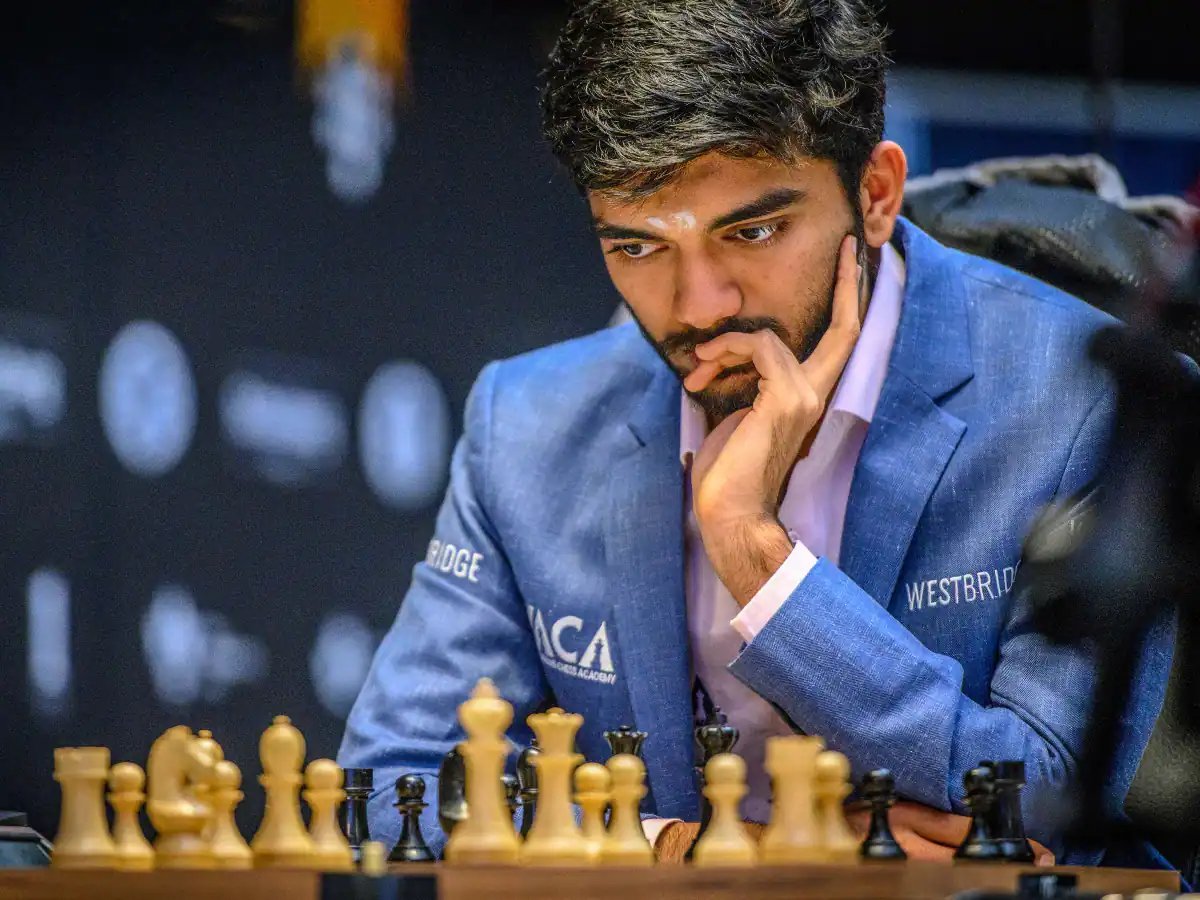
chessbrainz
Mar 09,2026
 0
0
 115
115

chessbrainz
Mar 09,2026
0
125
chessbrainz
Mar 09,2026
0
147

chessbrainz
Mar 06,2026
0
261
0115
0125
0147
0261
0115
0125
0147
0261
.png)