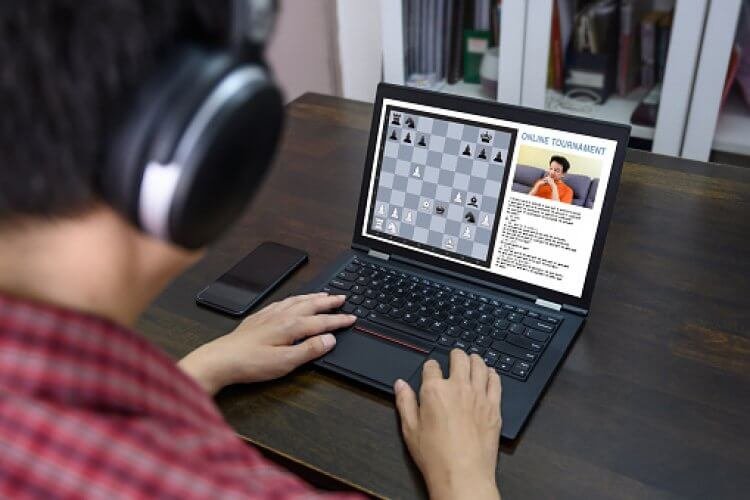
Is your child addicted to the mobile screen day and night? You wouldn’t want your child’s brain to be reduced to a state of passive consumption, letting algorithms dictate their attention. Turning screen time into a healthy routine, chess is a game that demands active participation, strategic foresight, and problem-solving. You get to ensure that chess benefits your child through structured play and regular mental exercise.
Ensuring that your child engages in an activity that is both engaging and mentally stimulating, chess is all you need. Unlike the passive consumption offered by other online games, chess fosters a child’s ability to concentrate, plan ahead, and solve problems. You get to ensure a dynamic and enriching intellectual environment for your child. More than just a fun activity, these activities develop essential life skills, directly addressing your concern about your child’s concentration and critical thinking.
This blog explores the screen time epidemic for chess players and why playing chess is a healthy brain workout.
A report from The Times of India stated that children under the age of 12 spend two to four hours daily glued to their smartphones. You need to make some serious changes in your child’s daily routine if they are following the same trend. Ensuring that your child develops skills like critical thinking, improves concentration, and enhances problem-solving, chess tackles the screen-time epidemic head-on. Chess benefits your child and allows them to engage in structured play and regular mental exercise.
Playing chess allows your child to develop several cognitive skills that help enhance their memory. Your child learns to be patient and think before they act. Being invaluable in both academic and personal growth, chess gives your child the opportunity to excel in school and life.
While it’s important to limit screen time, not every screen-based activity is bad for your child. Known to develop cognitive skills like critical thinking, strategy, and problem-solving, chess benefits your child in several ways.
Given below are some ways why chess is a healthy workout for your child’s brain:
Allowing for abstract strategic thinking, planning, and memory recall, chess becomes a gym for your child’s mind. Your child learns to visualize movies and anticipate opponents’ responses, leading to enhanced memory and improved executive function.
Faced with complex tactical and strategic challenges, chess benefits your child in developing problem-solving abilities. Your child develops a core life skill that allows them to analyze a situation and choose the most effective solution.
A typical game of chess requires sustained attention for extended periods. Allowing your child to filter out distractions, chess is a skill that is invaluable in academic settings and daily life.
In a fast-paced digital environment, chess is a game that slows things down and teaches your child the importance of patience. Your child learns that good results come from disciplined effort and not hurried actions.
Giving your child a structured environment for healthy competition, chess benefits your child by allowing them to lose and learn from their mistakes. Your child learns resilience, sportsmanship, and understands that improvement is an ongoing process.

Chess allows your kid to tackle screen time effectively while engaging in an activity that is both fun and competitive. More than just a fun online activity, chess develops several skills that allow your child to excel in their life. Be it problem-solving, thinking ahead or analyzing the situation, chess benefits your child in several ways. This makes it essential for parents to incorporate chess into their daily routine.
Here’s how parents can integrate chess into their daily lives:
Joining Chess Classes
Making your child join online chess classes is possibly one of the best moves you can make for your child’s future. Your child becomes a part of the online chess community and learns various other life skills.
Setting Dedicated Chess Time
Ensuring your child’s academic and social life does not get disrupted, you’ve to create a dedicated time for chess. You can replace passive screen time with an hour of structured and dedicated chess play.
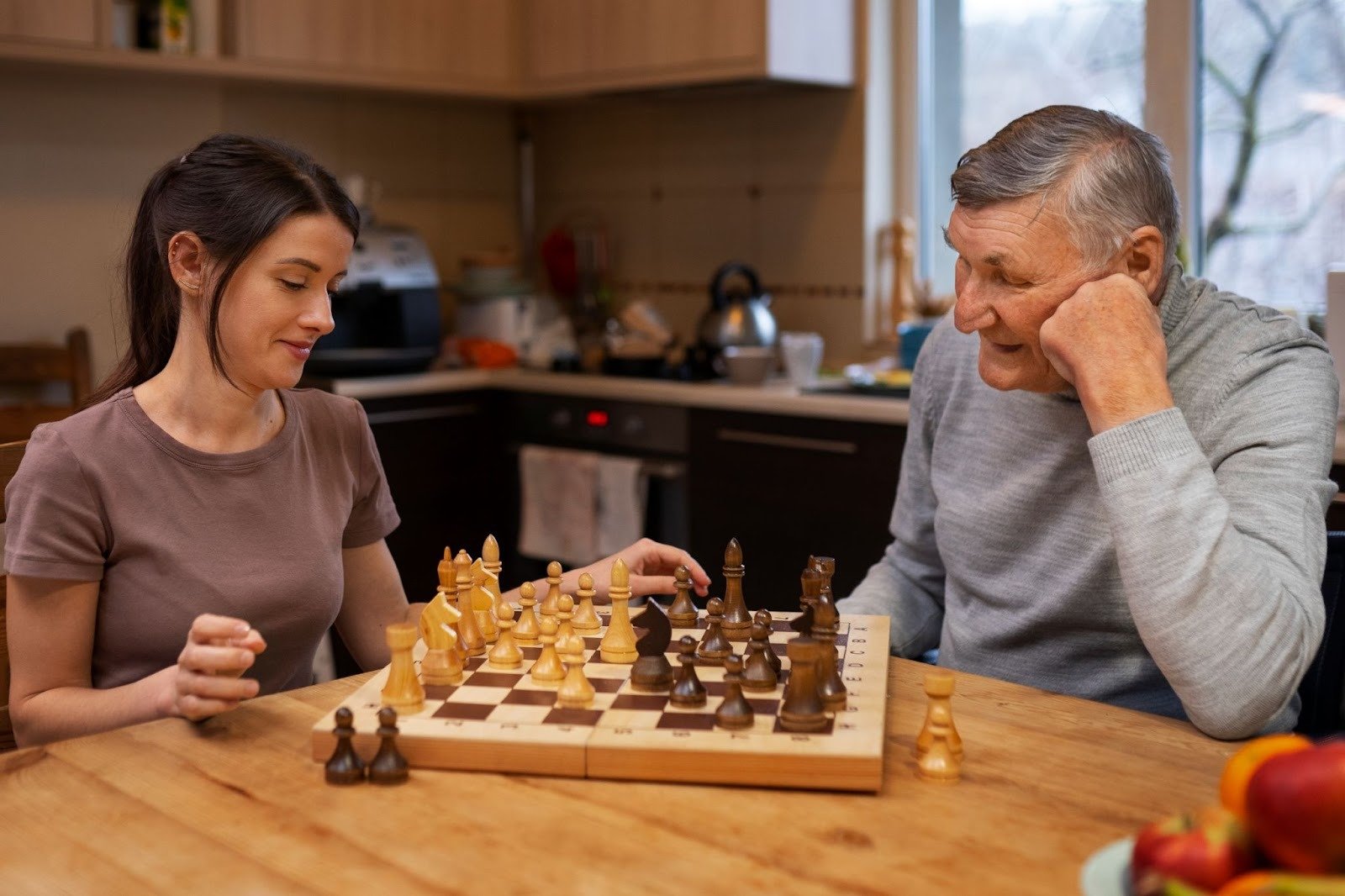
Making It a Family Activity
Strengthening your family bond, you can make chess an activity that is enjoyed by everyone. Your child gets the opportunity to learn from you and enjoy a shared intellectual pursuit.
Rewarding Consistent Play
Everyone loves rewards, and so does your child. By rewarding your child for their chess wins, you give your child a sense of belief that consistent practice and disciplined effort lead to success.
Are you looking for a platform that can seamlessly integrate chess into your child's routine while maximizing the chess benefits? Chessbrainz is all you’re looking for. We understand the challenges parents face in managing screen time and offer a solution that turns digital interaction into a powerful educational tool.
Here’s why you should choose Chessbrainz:
Structured, Engaging Curriculum
Ensuring a path of continuous learning that keeps children motivated and challenged, our courses are designed by grandmasters and educational experts.
Safe and Controlled Environment
Chessbrainz provides a secure platform where competitive play is healthy, and learning is the priority, easing parental concerns about unsupervised online activity.
Personalized Learning Paths
Ensuring maximum cognitive growth, we assess your child’s strengths and weaknesses, tailoring the lessons and puzzles to their individual pace.
When you choose Chessbrainz, you give your child the power to transform passive screen time into active, meaningful brain development. You make sure that you are investing in skills that will serve them far beyond the chessboard.
The battle against excessive screen time is ongoing. Offering a powerful, positive alternative, chess provides your child with a structured and mentally stimulating activity. You get to ensure that you are investing in your child’s critical thinking, focus, and overall intellectual well-being.
Ready to transform your child’s screen time into a healthy brain workout? Chessbrainz is the only platform you need. Allowing your child to reap all the chess benefits, we help them build a foundation for lifelong learning and success. Contact us today and enroll your child in a better future.
How long should a child play chess each day to see benefits?
A consistent, structured session of 30 to 60 minutes daily is recommended to ensure sustained mental engagement and cognitive benefits.
At what age can a child start learning chess?
While there is no specific age, a child can start learning the basic rules and movements around the age of 4 or 5.
Will chess help in school subjects like math and science?
Absolutely, chess can help in school subjects like math and science by strengthening critical thinking, logic, pattern recognition, and problem-solving skills.
 Previous ArticleOpenings or Endgames: Which Should You Really Master First? Next ArticleIndian Chess Champions Every Young Player Should Know About
chessbrainz
Mar 09,2026
 0
0
 115
115

chessbrainz
Mar 09,2026
0
125

chessbrainz
Mar 09,2026
0
147

chessbrainz
Mar 06,2026
0
261
0115
0125
0147
0261
0115
0125
0147
0261
.png)