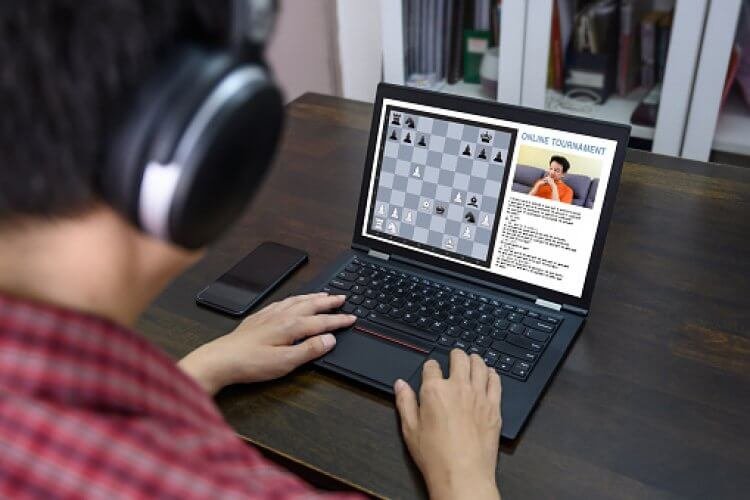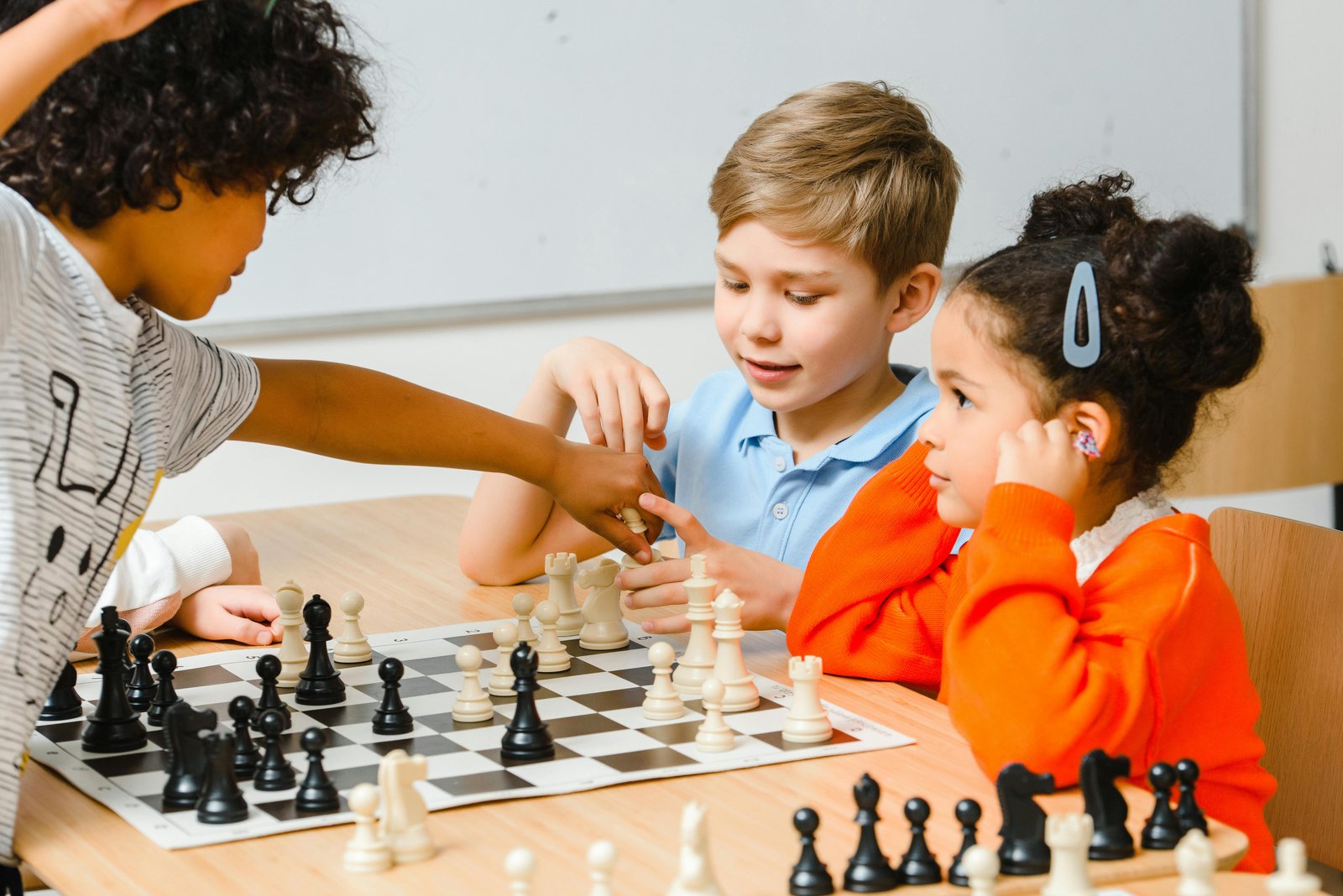
Parents often focus on marks, homework, or tuition classes, yet the skills that shape a child’s future rarely come from textbooks. Chess fills that gap. It trains the mind in ways schools simply can’t replicate. Through strategy, pressure, wins, and losses, children learn habits that stay with them for life.
At ChessBrainz, we follow global chess events closely because every high-level game mirrors the exact skills our students develop: patience, clarity, discipline, and the ability to think before reacting.
Here are the top 10 life skills children learn through chess skills schools rarely teach effectively.

Chess forces children to think, evaluate options, and select the best solution all while the clock is ticking.
They learn to stay calm, analyze the problem, and act with purpose.
Why it matters:
Kids grow into adults who handle challenges confidently instead of panicking.

Chess requires uninterrupted attention. One second of distraction can lose the game.
Over time, students naturally extend their concentration span, something modern classrooms struggle to build.
Why it matters:
Better focus = better academics, improved memory, and higher productivity.

Every move in chess is part of a larger plan. Children learn to think ahead, predict consequences, and prepare for future outcomes.
Why it matters:
Life rewards those who plan, not those who react blindly.

Chess teaches kids to make decisions based on logic, not emotion.
They evaluate risks, choose the best move, and accept responsibility for the outcome.
Why it matters:
Strong decision-makers become confident, independent leaders.

Losses are unavoidable, even for world champions. Chess teaches children how to handle frustration, bounce back, and stay composed.
Why it matters:
Emotional intelligence is one of the strongest predictors of future success.

There are no shortcuts in chess. Children learn to slow down, think deeply, and wait for the right moment.
Why it matters:
Discipline built on the board translates into discipline in studies, sports, and daily habits.

Chess is not just logic; it’s imagination. Many of the world’s greatest moves were creative breakthroughs.
Why it matters:
Creativity helps children innovate, express themselves, and solve problems from new angles.

Every game is a lesson. Children learn from mistakes, analyze what went wrong, and improve.
This builds a powerful growth mindset that school homework rarely develops.
Why it matters:
Resilient kids don’t give up; they grow stronger.

Chess teaches humility in victory and grace in defeat. Kids shake hands, appreciate good play, and show respect even when emotions run high.
Why it matters:
These values shape character far beyond the chessboard.

As children understand strategies and win games, their self-belief grows.
Chess gives them a safe space to build confidence through real progress.
Why it matters:
Confidence is life-changing; it unlocks courage, leadership, and ambition.
Chess is far more than a game. It develops essential life skills focus, discipline, creativity, resilience, emotional balance, and intelligent decision-making. Skills that shape a child’s personality, academic performance, and future mindset.
If you want your child to grow with strong thinking habits and a mature outlook, chess is one of the most powerful extracurriculars they can learn.
 Previous ArticleHow Online Chess Classes Turn Gadgets into Powerful Learning Tools Next ArticleHow to Start Your Child’s Chess Journey at Home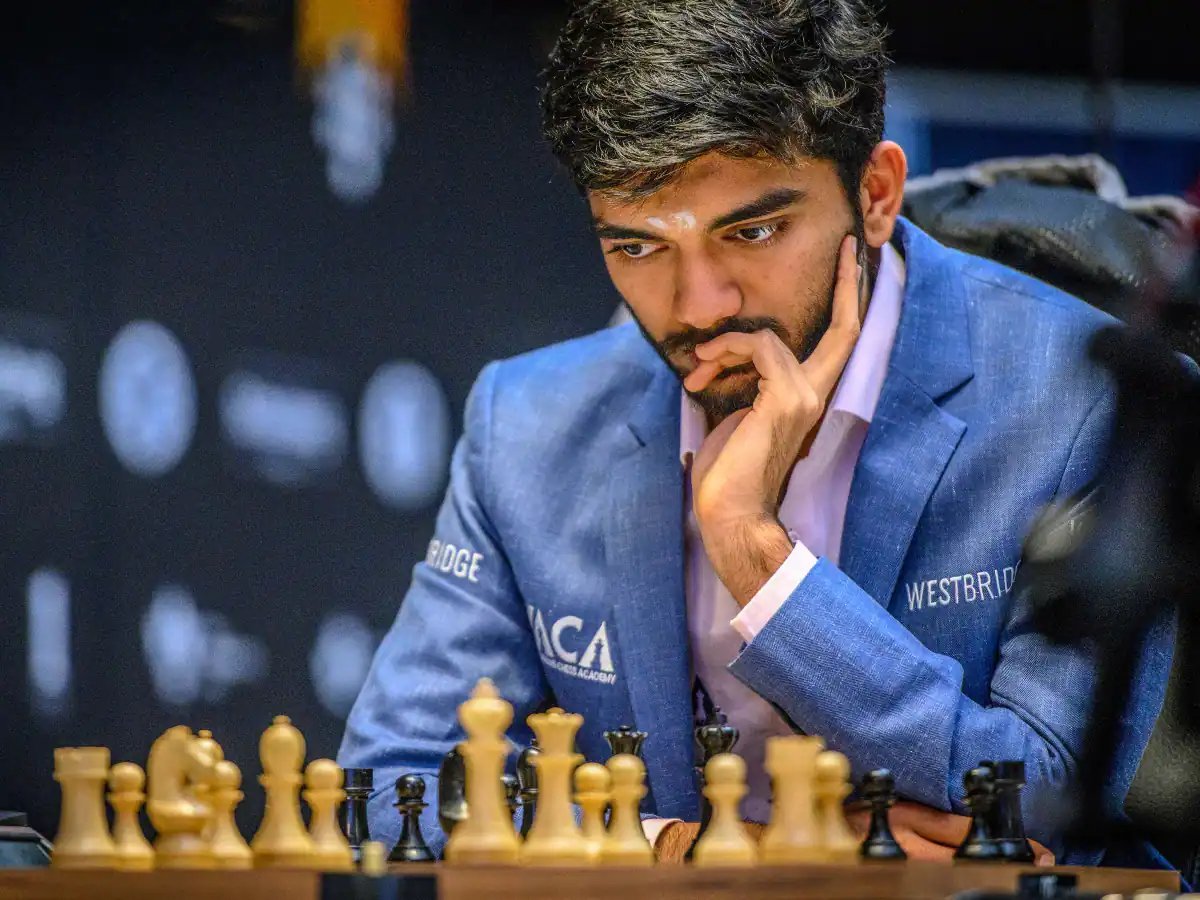
chessbrainz
Mar 09,2026
 0
0
 115
115
chessbrainz
Mar 09,2026
0
125
chessbrainz
Mar 09,2026
0
149

chessbrainz
Mar 06,2026
0
263
0115
0125
0149
0263
0115
0125
0149
0263
.png)