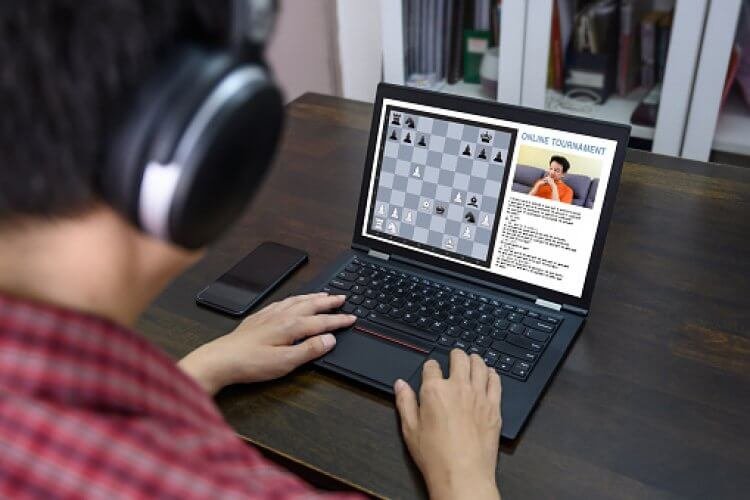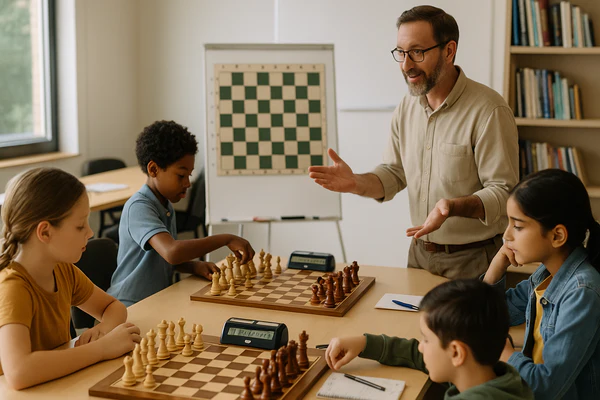
Many parents want their children to learn chess but don’t know where to begin. The good news? You don’t need advanced knowledge, hours of free time, or a coaching background. With a few simple steps, you can create a strong foundation for your child’s chess journey right from home.
At Chessbrainz, we follow major world tournaments closely because they demonstrate the same thinking skills your child develops: strategy, patience, problem-solving, and confidence. Starting early and starting right makes a huge difference.
Here’s a simple, beginner-friendly guide to help your child begin their chess journey at home.

School schedules are busy. Coaching classes are limited. But at home, children learn in a comfortable, stress-free environment. Early exposure helps them:
Build confidence before joining formal classes
Understand rules at their own pace
Develop curiosity and independent learning
See chess as fun instead of academic pressure
A strong start at home makes later coaching far more effective.

You don’t need anything complicated:
1. A simple chessboard
Wood, plastic, or magnetic anything works.
2. A basic understanding of rules
Parents don’t need deep theory; they just need to know the moves.
3. A daily 10–15 minute routine
Short sessions beat long, infrequent ones.
4. Encouragement, not correction
Kids learn faster when mistakes aren’t treated as failures.

Children learn quickly when you introduce pieces one at a time.
Teach:
How each piece moves
Which piece is strongest vs weakest
Simple mini-games (example: rook vs pawn races)
This builds confidence without overwhelming them.
Before full games, practice small challenges:
Who can checkmate with two rooks first?
Capture-the-piece race
Escape-from-check puzzles
These activities build pattern recognition and enjoyment.
Most kids lose interest because full games feel too long.
Instead, play:
Pawn battles
King and pawns only
Half-board game setups
These shorter formats help them understand strategy step by step.
Children love narratives.
You can say:
The knight jumps like a horse.
The rook runs straight like a train.
The bishop moves diagonally like a laser.
Storytelling transforms rules into memories.
Don’t rush to correct every blunder.
Mistakes are powerful teachers; even world champions grew through trial and error.
Ask guiding questions instead:
What was your idea?
What do you think will happen next?
This builds problem-solving instead of dependency.
Once they are comfortable, add core beginner ideas:
Fork
Pin
Skewer
Checkmate in one
Just 2–3 puzzles per day is enough for huge improvement.
Safe, child-friendly platforms can accelerate learning:
Lichess (free puzzles & beginner lessons)
ChessKid (visual learning for young kids)
YouTube beginner series
Technology becomes a learning partner, not a distraction.
Children learn faster when they feel proud.
Praise things like:
Nice thinking!
Great patience today.
You didn’t give up amazing!
Small wins build long-term confidence.
Children learn best when parents participate.
You don’t have to be strong; your presence motivates them.
Set a simple routine:
10-minute puzzles
10-minute mini-games
10 minutes free play
Consistency matters more than perfection.
A child is ready for structured coaching when:
They can play a full game independently
They enjoy puzzles and challenges
They ask questions naturally
They show patience and curiosity
At this stage, coaching accelerates development dramatically.
Starting your child’s chess journey at home is simple, low-pressure, and incredibly effective. With small-step mini-games, storytelling, regular play, and gentle guidance, you help them build focus, discipline, strategy, and confidence.
Chess develops lifelong skills, and the journey begins with just one board and a few minutes each day.
 Previous ArticleTop 10 Life Skills Children Learn Through Chess (That Schools Don’t Teach) Next ArticleHow Online Chess Boosts Confidence in Shy and Introverted Kids
chessbrainz
Feb 16,2026
 0
0
 54
54
chessbrainz
Feb 12,2026
0
23

chessbrainz
Feb 09,2026
0
57

chessbrainz
Feb 05,2026
0
104
054
023
057
0104
054
023
057
0104
.png)