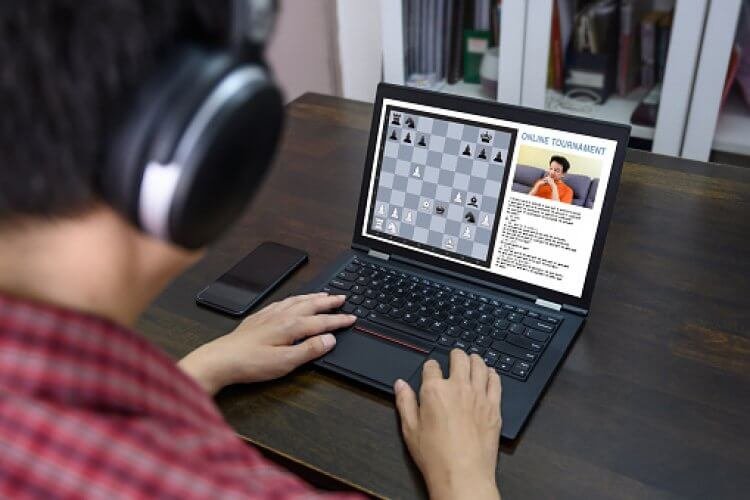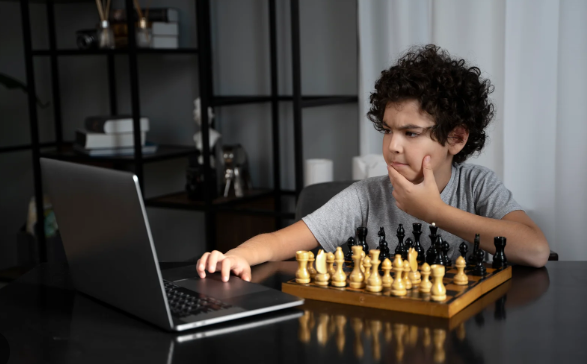
Many shy or introverted children struggle to express themselves in noisy classrooms, competitive environments, or large social groups. They think deeply, observe quietly, and prefer structured spaces where they feel safe. Online chess creates exactly that environment a calm, predictable, confidence-building space where these children can shine.
At ChessBrainz, we see this transformation every day. Students who hardly speak in their first class grow into analytical thinkers, expressive communicators, and confident problem-solvers over time. Chess helps them discover their strengths in a way schools often can’t.
Here’s how online chess becomes a powerful confidence booster for shy and introverted children.

Shy kids often avoid activities where they feel watched, judged, or rushed.
Online chess removes that pressure. They learn from home, in their safe space, with no audience and no noise. This reduces anxiety and helps them focus on thinking instead of worrying about social expectations.

Introverted children think deeply before they speak or choose.
Chess matches this natural style perfectly every move requires quiet thinking, planning, and evaluating.
They don’t need to “perform.”
They don’t need to rush.
They can make decisions at their own pace.
This naturally strengthens their self-belief.

Chess gives measurable achievements:
Solving a puzzle
Winning a match
Surviving a tough position
Learning a new tactic
Each small success boosts confidence. Over time, shy kids stop doubting themselves they see proof that they can learn, improve, and win.

In many school environments, children feel evaluated.
In online chess classes, the tone is different; coaches guide, encourage, and support.
Shy kids respond extremely well to:
one-on-one attention
gentle explanations
calm voices
predictable routines
This builds trust, and trust builds confidence.

In online classes, children can:
type instead of talk
speak one-on-one with the coach
turn their camera off initially if they feel shy
participate without social pressure
This choice gives them control, which reduces fear. As they get comfortable, they naturally start talking more.

Shy children often hesitate to take the lead.
Chess helps them break that pattern.
Every game forces the child to:
make decisions
manage risk
take responsibility
trust their thinking
Even when they make mistakes, they learn that mistakes are part of growth, not something to be embarrassed about.

Introverted children often excel in deep thinking but feel overlooked in fast-moving environments. Chess rewards depth:
Planning
Pattern recognition
Thoughtfulness
Discipline
When kids see these strengths appreciated, their self-esteem rises naturally.

Online chess classes include small, respectful interactions:
analysing games together
discussing moves
sharing ideas
friendly matches
These gentle interactions help shy kids practice speaking without pressure. Over time, they gain the confidence to engage more freely in other areas of life.

Many shy children fear failure because they fear being seen failing.
Online chess solves this problem.
Mistakes happen quietly.
Feedback is personal and kind.
Progress is gradual and private.
This allows them to grow without comparison or judgment.

For many introverted kids, chess becomes more than an activity; it becomes a place where they feel talented and valued.
They start saying:
I’m good at puzzles.
I understand strategy.
I can win games.
I’m improving every week.
This sense of identity builds deep, lasting confidence that carries into academics, friendships, and everyday life.
Online chess is not just a game; it’s a gentle, structured, and empowering pathway for shy and introverted kids to build confidence. It gives them space to think, opportunities to succeed, and safe interactions that slowly shape their communication skills.
The combination of logic, patience, and personal achievement makes chess one of the most effective activities for helping children develop quiet strength and self-belief.
 Previous ArticleHow to Start Your Child’s Chess Journey at Home Next ArticleThe Hidden Academic Edge: Why Top Students Often Learn Chess
chessbrainz
Mar 09,2026
 0
0
 115
115

chessbrainz
Mar 09,2026
0
125
chessbrainz
Mar 09,2026
0
148

chessbrainz
Mar 06,2026
0
263
0115
0125
0148
0263
0115
0125
0148
0263
.png)